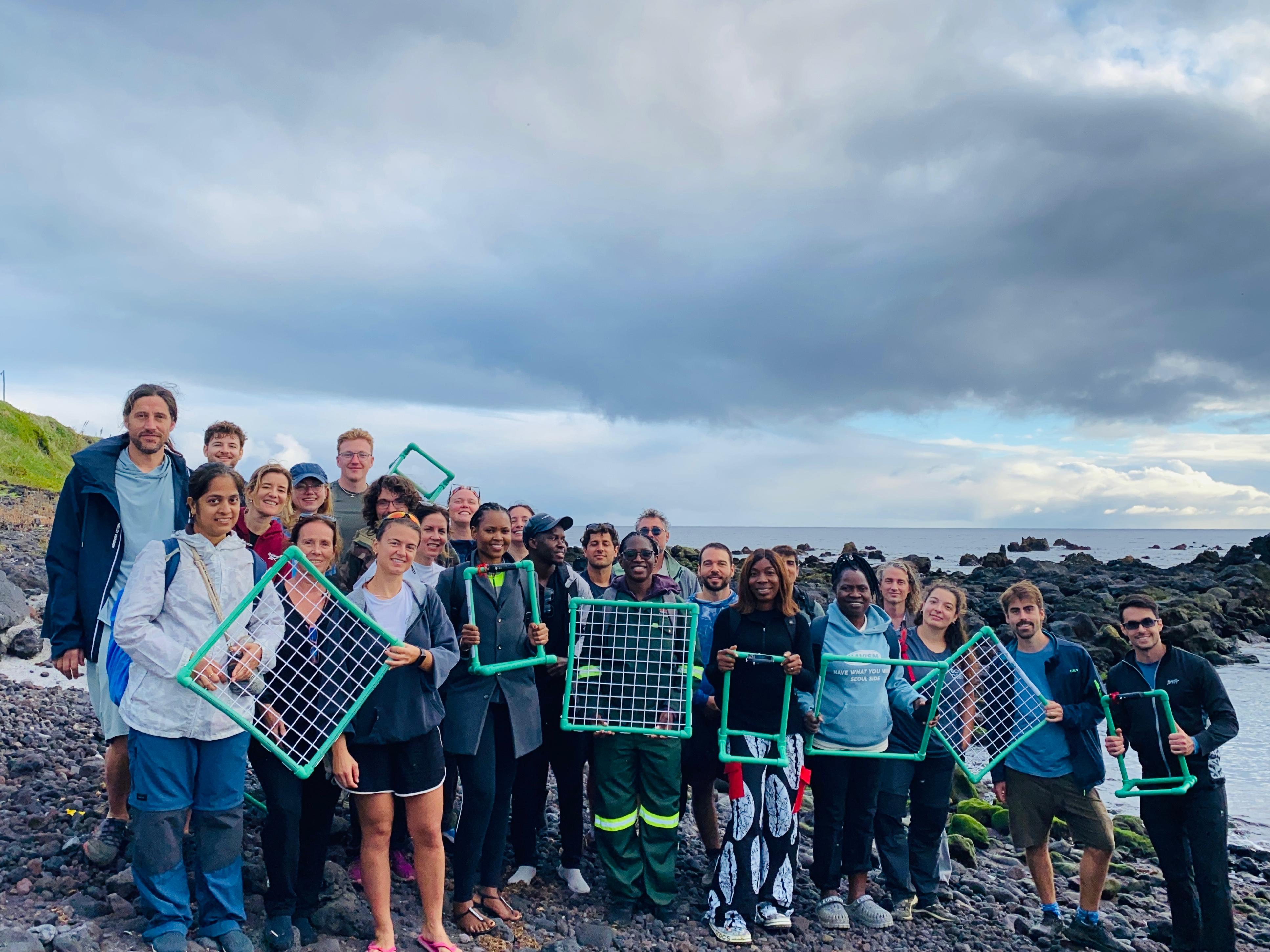
From 19 to 23 October, Terceira Island in the Azores hosted the second edition of the workshop Enhancing Marine Biodiversity Data Collection and Publication. Co-organised by the Marine Biodiversity Observation Network (MBON) and the AIR Centre, the event welcomed researchers, data managers and marine practitioners from Europe, Africa and the Americas to build skills in collecting, standardising and publishing marine biodiversity data.
The training centred on getting a biological observation dataset ready for publication in the Ocean Biodiversity Information System (OBIS). Working with Darwin Core, the internationally recognised data standard, participants practised making their data findable, accessible, interoperable and reusable, so that it can support research, conservation and ecosystem-based management.
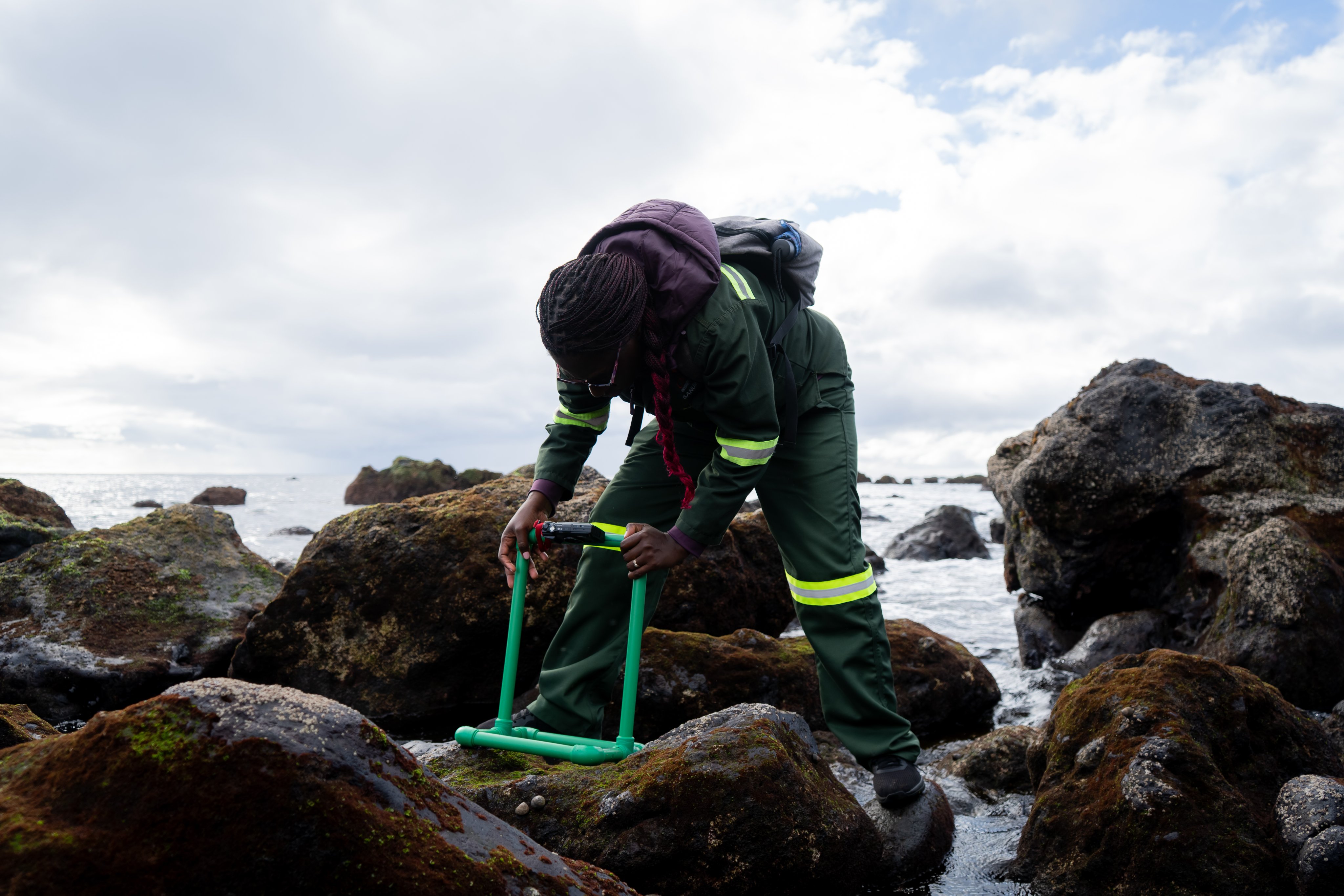
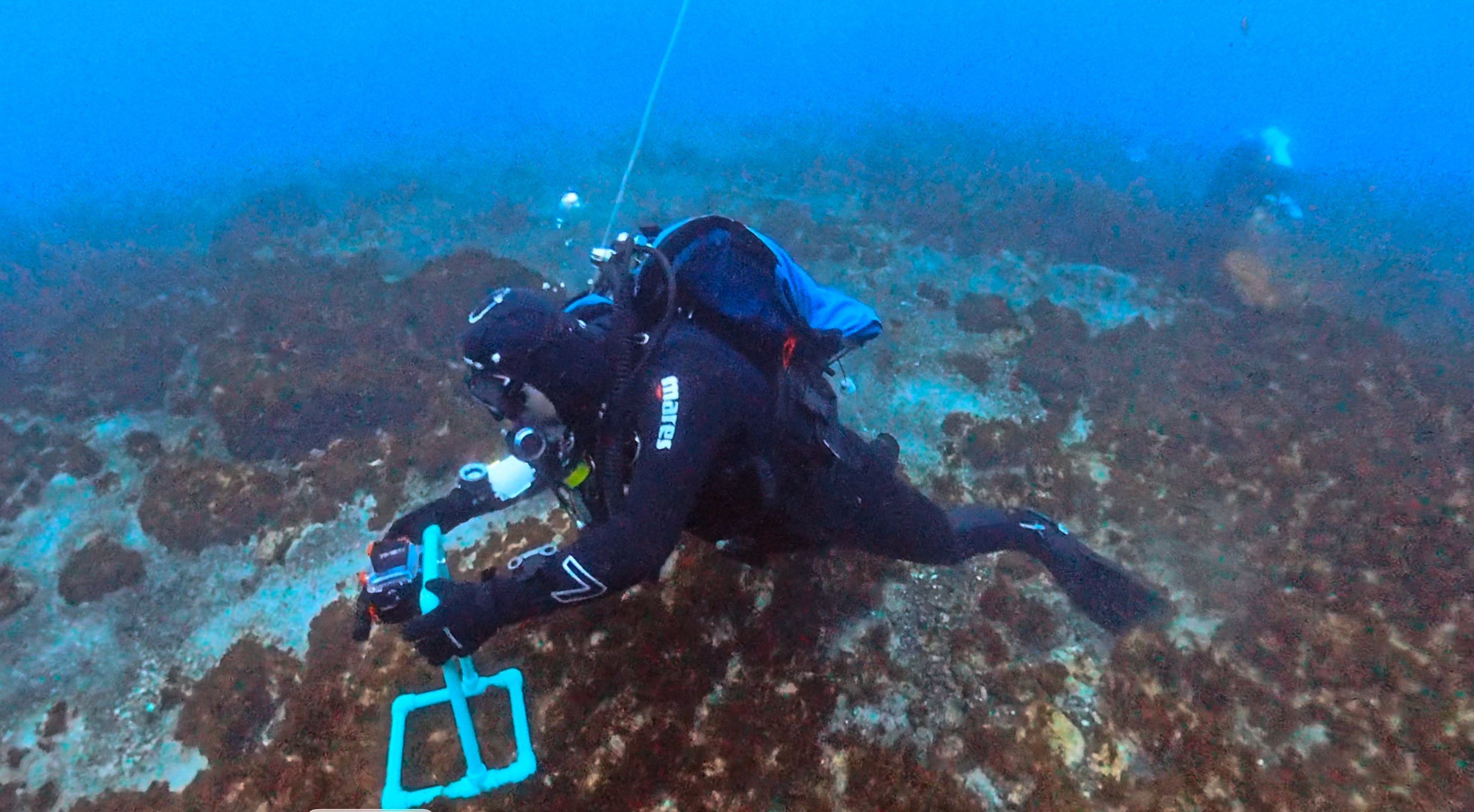
Fieldwork was a key part of the week. Along Terceira’s coast, participants put the MBON Pole to Pole rocky shore protocol into practice, collecting and processing benthic photo-quadrat imagery in the rocky intertidal zone. The protocol is a simple, low-cost, standardised method that allows repeatable, non-extractive sampling. Participants also looked at approaches for documenting biodiversity in subtidal habitats. The exercises showed why consistent monitoring is essential for building reliable long-term biodiversity records.
The instructors were Carolina Peralta and Tylar Murray (Institute for Marine Remote Sensing, University of South Florida), Nuno Álvaro (University of the Azores) and Gonzalo Bravo (CONICET, Argentina). They led participants through the whole workflow, from field observations to well-documented datasets ready to be shared with the wider scientific community.
The Azores workshop adds to MBON Pole to Pole’s growing training effort. Together, these activities help build a community of practice that collects comparable data and shares it openly through OBIS.
The workshop is endorsed by the UN Ocean Decade and supported by IOC-UNESCO and the Government of the Azores. It reflects MBON’s commitment to international collaboration and to expanding the sharing of high-quality biodiversity data for science, conservation and informed decision-making.