
US MBON
The U.S. partnership integrating biology and ecosystem surveys with remote sensing and molecular (eDNA) methods across regional MBONs.
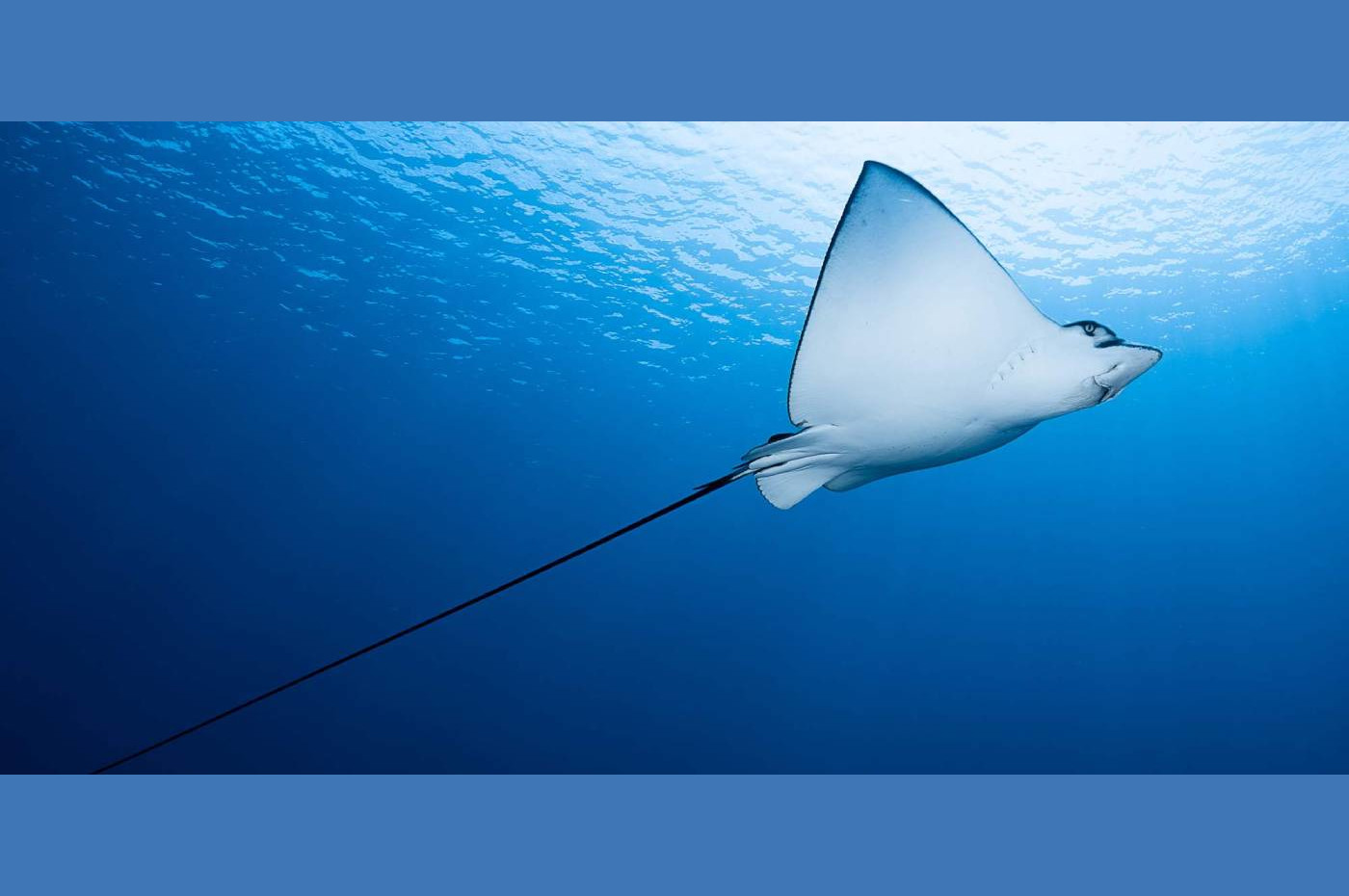
The U.S. MBON projects are integrating independent historical and current biology and ecosystem surveys with new observations, and expanding application of remote sensing methods, novel molecular (eDNA) technologies, traditional environmental research tools, and coordinated experiments.
Benefits of MBON
MBON projects, partners and data play an important role in enabling the scientific community to describe the relationships between biodiversity, organism abundance, system productivity, ecosystem health and ecosystem services. Visit the Join MBON section for more information about the benefits of MBON.
U.S. MBON projects
- Arctic
- Central California
- Southern California
- Gulf of Maine
- Pacific Northwest
- Southeast
- Coastal New England
- Mid-Atlantic
Sponsors
U.S. MBON projects have been funded since 2013 under the National Oceanographic Partnership Program (FY14 RFP NOAA-NOS-IOOS-2014-2003803 and FY19 ONR Announcement # N00014-18-S-B007). U.S. MBON represents a partnership among NOAA, NASA, BOEM, and ONR, with coordination provided by the U.S. Integrated Ocean Observing System (U.S. IOOS) Program Office.
Explore nearby networks
US MBON All-Hands Meeting
Three days on MBON national goals and strategic framing, data management, MBON data for fisheries, telemetry, remote sensing and seascapes, and eDNA, with partners from MarineGEO, MoveBON, Sanctuary Watch and IOOS.
View detailsA Prosperous Economy Requires Ocean Biodiversity Information, Technology, and Innovation
Frank E. Muller-Karger et al. · Marine Technology Society Journal
Read paperCapacity sharing to protect and restore ecosystems and biodiversity
Frank E Muller-Karger et al. · ICES Journal of Marine Science
Read paperIntroduction to the Special Issue on A Vision for Capacity Sharing in the Ocean Sciences
Ellen Kappel et al. · Oceanography
Read paperOcean Biodiversity TechSurge
A meeting of the MTS Ocean Enterprise Initiative, IOOS, MBON and NOPP on ocean biodiversity information and technology. Its outcomes led to a report and a Marine Technology Society Journal paper.
View detailsMarine zooplankton community structure through environmental DNA metabarcoding in the Florida Keys, collected by the South Florida Program (NOAA/AOML) and the Marine Biodiversity Observation Network (MBON)
This data consists of counts of putative zooplankton OTUs, revealed through metabarcoding of the cytochrome oxidase I (COI) gene extracted from filtered water samples in the Florida Keys National Marine Sanctuary during 2016.
View dataset