






Data & Products

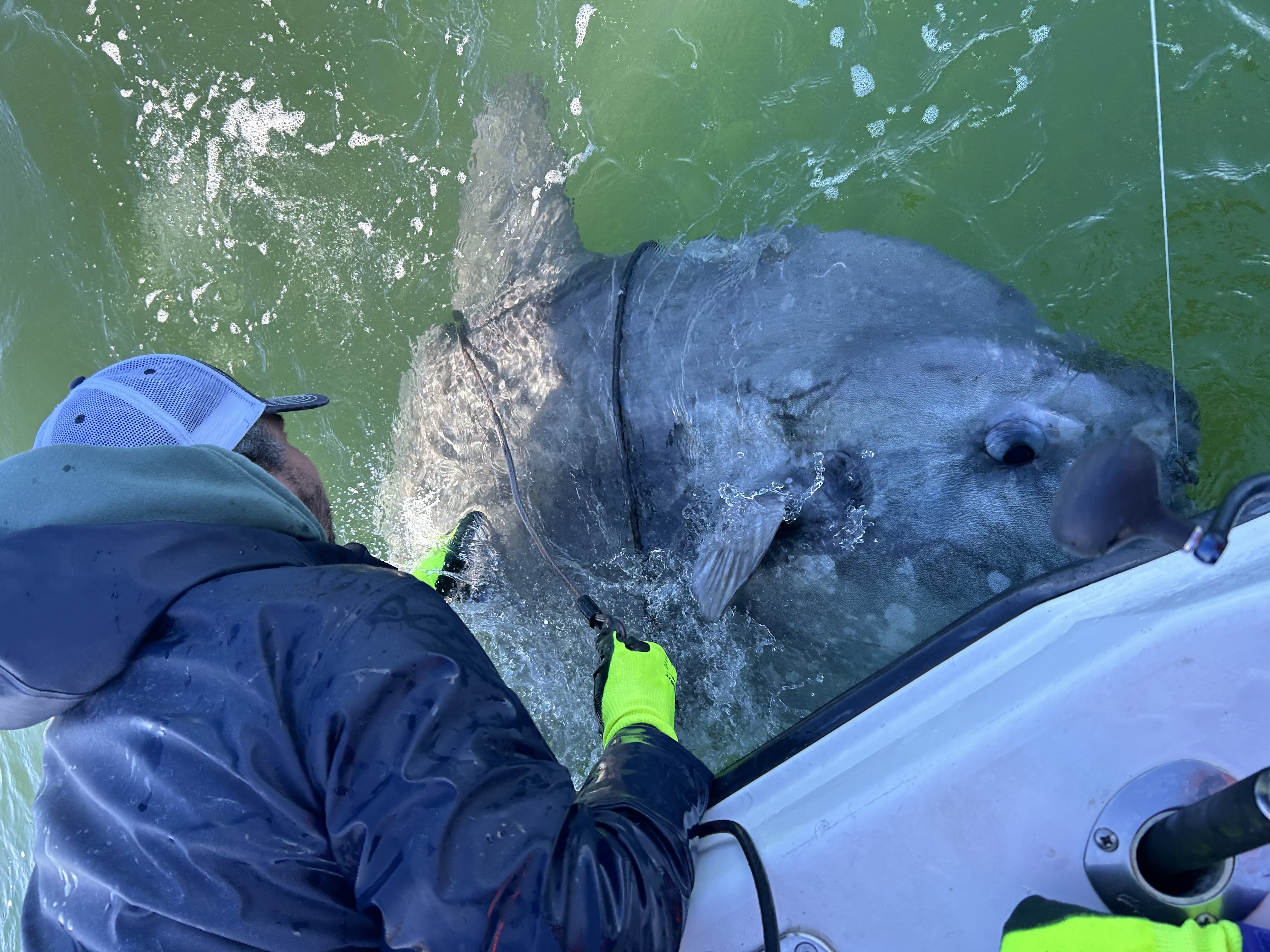
Tracking Ocean Sunfish to Map Marine Biodiversity Hotspots

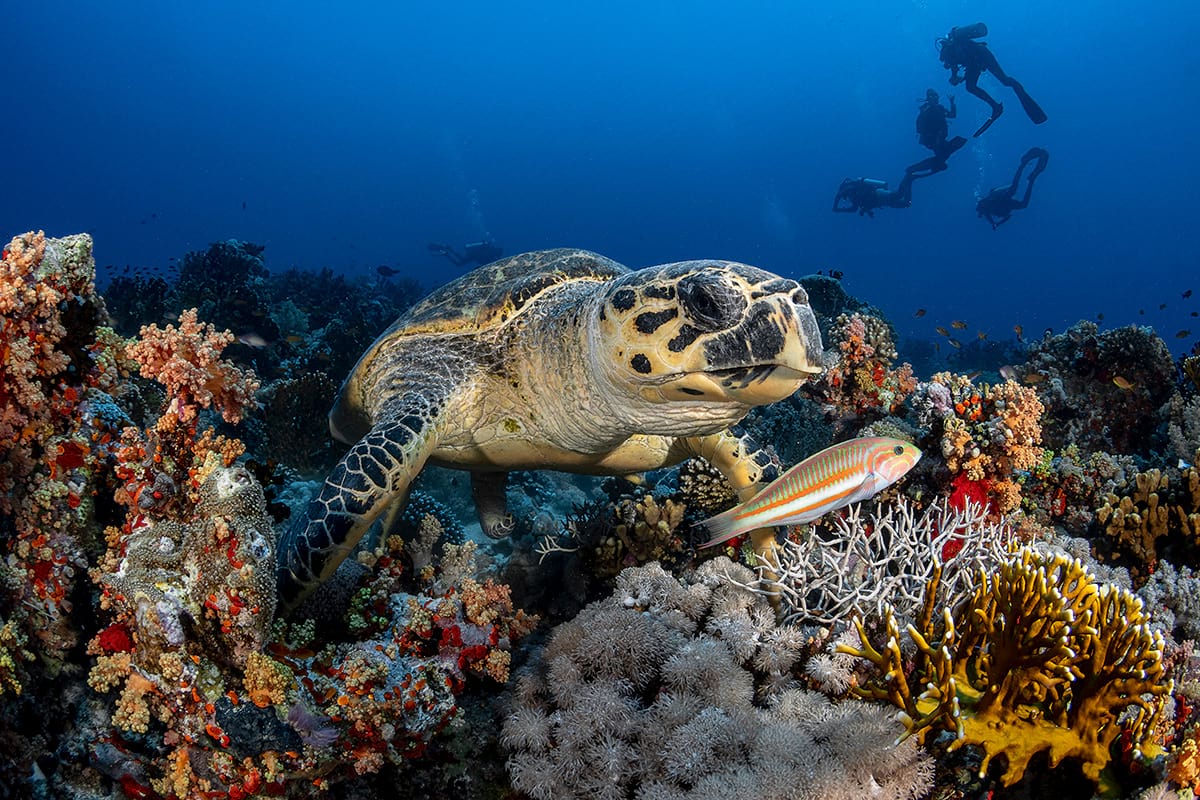
By tracking marine species like the ocean sunfish (Mola mola), BioTrack -- a project of the Marine Biodiversity Observation Network (MBON) -- is uncovering key patterns in biodiversity and making marine animal movement data accessible to stakeholders. – Background The Atlantic is home to a wide diversity of marine species, many of which share habitats impacted by human activities. Identifying areas of the ocean that are important to many different species, and how these hotspots intersect with human activities, is crucial for effective conservation, sustainable management, and overall ocean planning.

Continue reading

Plankton Perfect: Using Imagery to Document Microscopic Marine Life

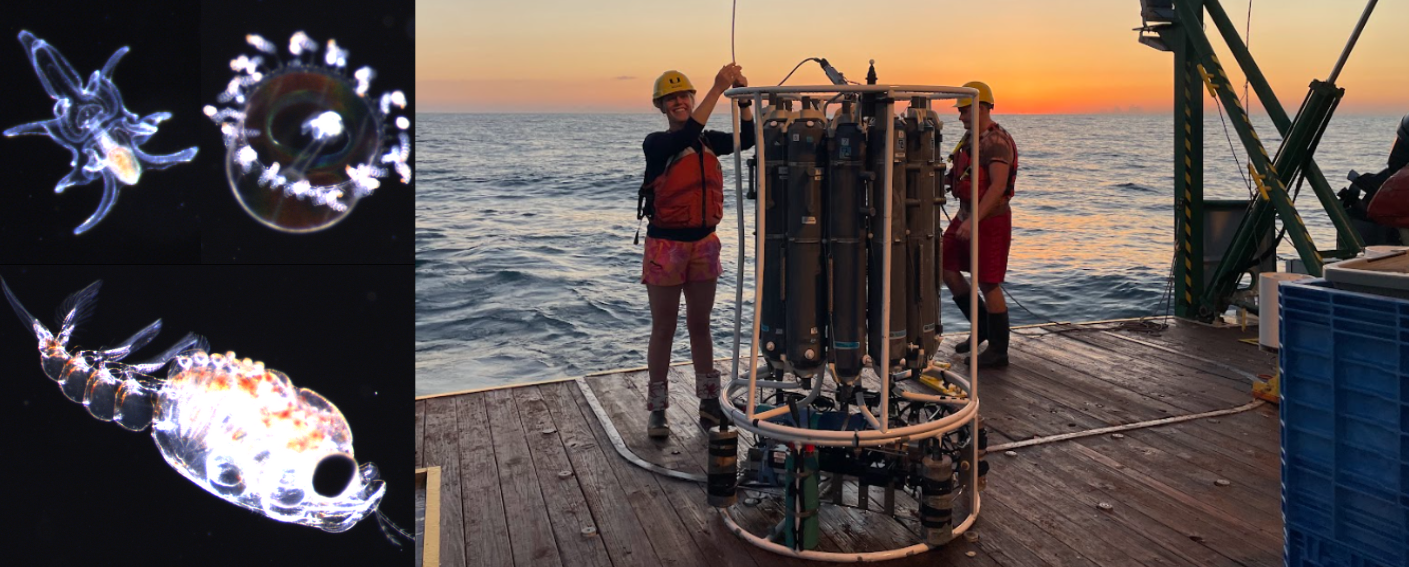
Pictured: Students operate a Conductivity, Temperature, and Depth (CTD) Rosette with an underwater microscope attached to capture photos of plankton. Far left top: starfish larva, left top: jellyfish larva, bottom left: crab, shrimp, or lobster larva. Dr. Enrique Montes is working to understand how plankton respond to changes in the ocean by capturing high resolution imagery with advanced technology. This work is funded by the Marine Biodiversity Observation Network (MBON) to use novel techniques like the Continuous Particle Imaging and Classification System (CPICS).

Continue reading

Letters to the Sea

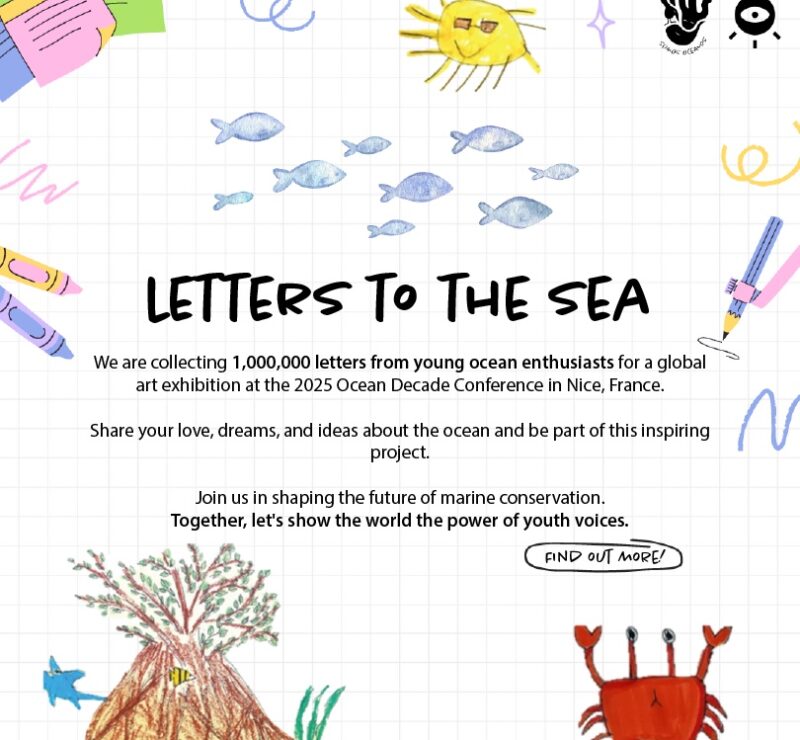
Over 2.15 billion people live close to the coast, with 898 million in low-lying areas. For these communities, the sea is central to their lives, work, culture, emotions and spirituality. Children and youth are the demographic group that will be the most affected by climate change. Yet, they are often left out of environmental discussions at the international level. Somos OceanoS, a Marine Life 2030-affiliated project, wants to change this. They are excited to invite you to be a part of a global dialogue between youth and decision-makers in marine conservation through their Letters to the Sea initiative providing a unique glimpse into the youth´s perspective, voicing their challenges, ambitions and needs.

Continue reading

Publication of Ocean Decade Vision 2030 White Papers

We are excited to share that the United Nations Ocean Decade Vision 2030 White Papers have been officially published. Structured around the 10 Ocean Decade Challenges, the Vision 2030 process aimed to set a tailored and specific strategic ambition, and associated milestones, for each of the Challenges, ensuring their road to success by 2030. A key outcome of the Vision 2030 process, the 10 White papers represent a collaborative effort to develop the science we need for the ocean we want.

Continue reading

MBON All Hands

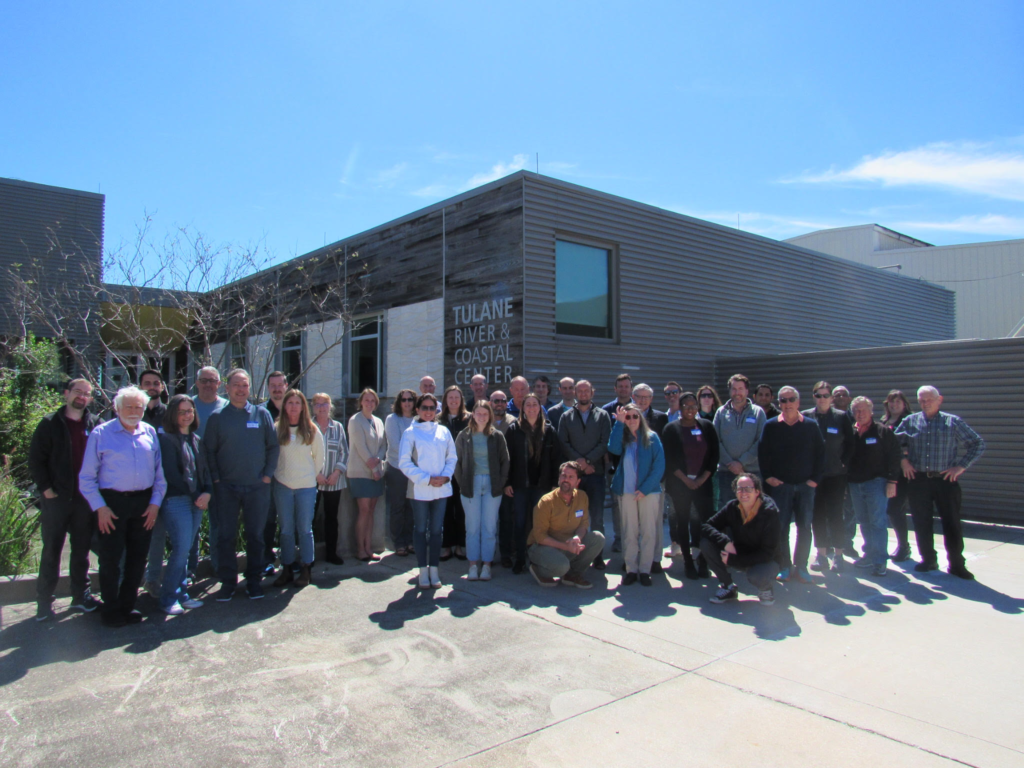
The Marine Biodiversity Observation Network (MBON; https://marinebon.org/) hosted the annual US MBON All-Hands Workshop in New Orleans, Louisiana, March 18-22, 2024. We are celebrating the tenth anniversary of the implementation of the first US MBON pilot projects! The MBON is an open community of practice in which all can participate, contribute, and from which all can benefit. The goal of the meeting was to strengthen collaborations among the US MBON projects and stakeholders in local and national government agencies.

Continue reading

Dr. Frank Muller-Karger TOS Fellow Award

The MBON is pleased to announce that Dr Frank Muller-Karger, MBON co-chair, was recognized by The Oceanography Society (TOS) 2024 Honors as a Fellow for his exceptional achievement and contributions to ocean sciences. The citation recognizes him for extraordinary endowment and leadership in furthering our understanding of Earth and, in particular, the ocean, through the use of remote sensing and field work. Dr. Muller-Karger’s achievements will be celebrated during The Oceanography Society’s Honors Breakfast taking place on February 21, 2024, during the Ocean Sciences Meeting.

Continue reading

AIR Centre Partnership Renewal

A partnership renewal has been announced between the Marine Biodiversity Observation Network (MBON) and the Atlantic International Research Centre (AIR Centre), for the continuation of a Secretariat to coordinate the global MBON. The MBON and the AIR Centre share a common vision of the building and coordination of a global ocean biodiversity observation system. Both entities recognize the importance of interoperable and open-access information on biodiversity variables, to highlight trends in biological diversity and ecosystem functioning, with direct impacts on the well-being and development of today’s society.

Continue reading

Advances in Molecular eDNA Techniques to Evaluate Taxa Diversity

Central to the US MBON is the development of new and innovative means to assess marine biodiversity. The MBON community has made significant advances in molecular eDNA techniques to evaluate taxa diversity – from microbes to whales – in highly contrasting ecosystems such as the Florida Keys and Monterey Bay in California. The team is examining the effectiveness of eDNA in the detection of change in biodiversity over time across Sanctuaries and other areas (e.

Continue reading

MBON and AOML Characterize Seascapes Biogeographic Regions to Understand Phytoplankton Assemblages in the Florida Keys National Marine Sanctuary

MBON, with NOAA/AOML, has characterized seascapes for the Florida Keys National Marine Sanctuary (FKNMS) and southwest Florida shelf nearshore environment using multivariate satellite and in situ measurements (MBON/CoastWatch Seascapes products: The effort illustrates best practices developed by MBON in collaboration with the South Florida Ecosystem Restoration Research (SFER) project and NOAA/AOML. The work is described in a July 15 paper in Frontiers of Marine Science.

Continue reading

Advances in Molecular eDNA Techniques

Central to the US MBON is the development of new and innovative means to assess marine biodiversity. The MBON community has made significant advances in molecular eDNA techniques to evaluate taxa diversity – from microbes to whales – in highly contrasting ecosystems such as the Florida Keys and Monterey Bay in California. The team is examining the effectiveness of eDNA in the detection of change in biodiversity over time across Sanctuaries and other areas (e.

Continue reading