
Sampling protocol for monitoring marine biodiversity on rocky shores
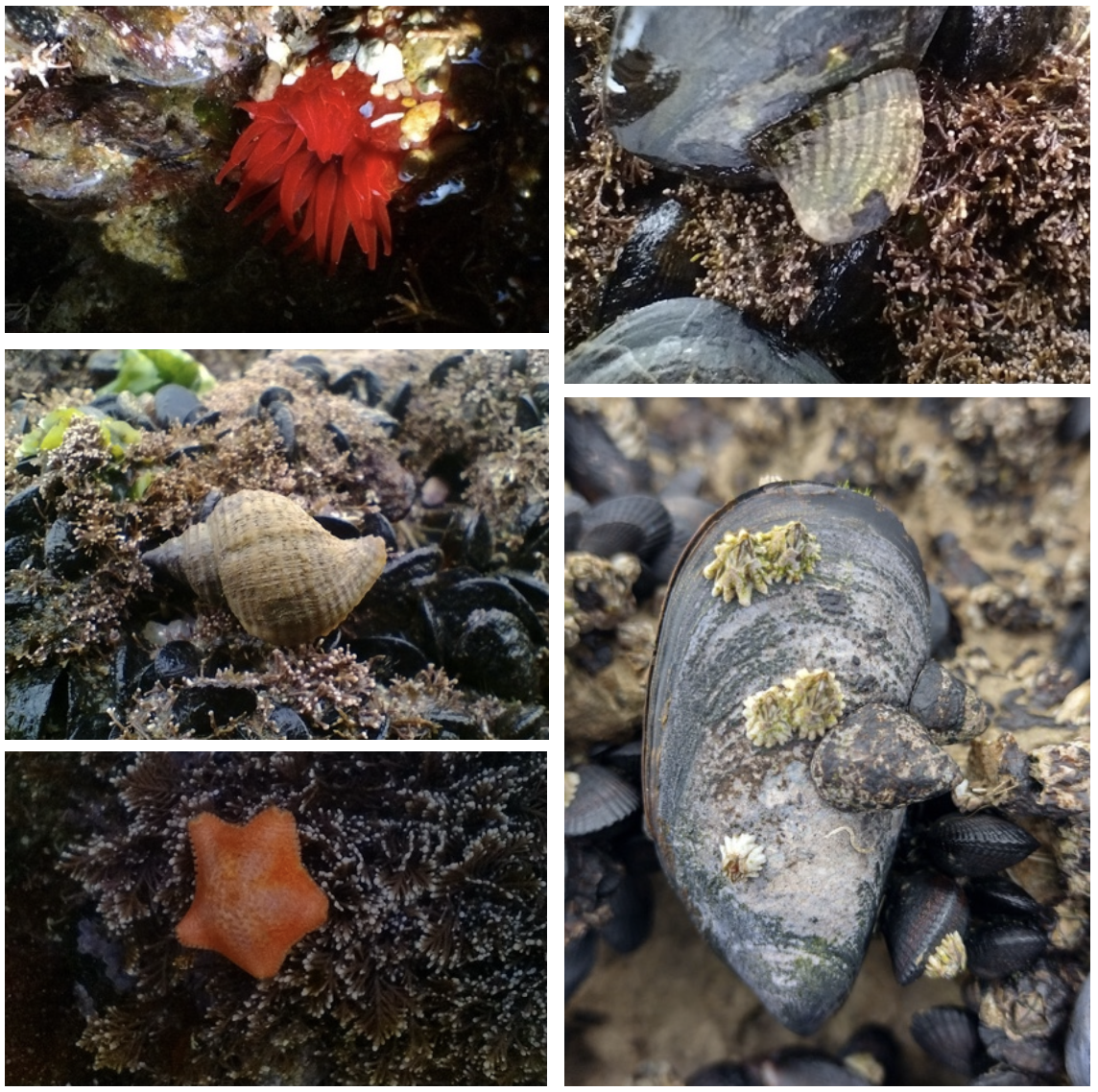
Rocky shores are ecologically important and culturally significant habitats along the coasts of the Americas. Monitoring these areas is essential to detect biodiversity changes and guide conservation and management strategies. This protocol offers a simple, standardized, and low-cost methodology for monitoring sessile invertebrates and macroalgae in rocky intertidal zones using photo-quadrats, enabling repeatable and non-extractive sampling. It builds on four key pillars: standardized image collection, collaborative monitoring networks, AI-assisted data analysis, and the delivery of rapid, accessible results for decision-making. Developed by the Marine Biodiversity Observation Network Pole to Pole (MBON Pole to Pole), this guide reflects co-design efforts from workshops held in Argentina in 2023 (Camarones), 2024 (Ushuaia), and 2025 (Puerto Madryn and Puerto Pirámides). It supports the generation of comparable biodiversity data across regions and contributes to global efforts such as the UN Sustainable Development Goal 14: “Life Below Water.” This methodological manual is intended as a practical tool for park rangers, scientists, and communities working to protect coastal biodiversity
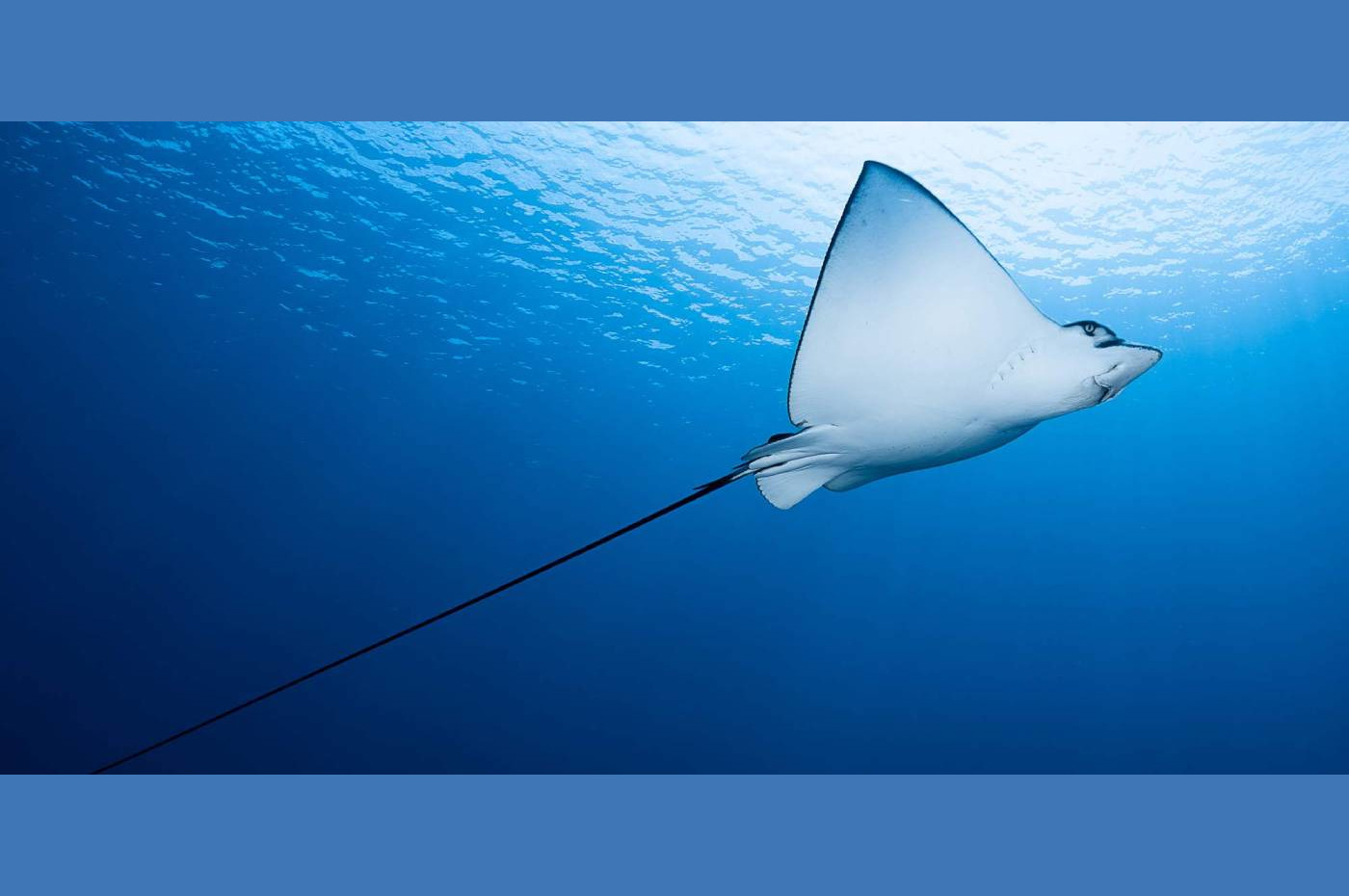
Pole to Pole Americas
A network of networks spanning the Americas.
Learn more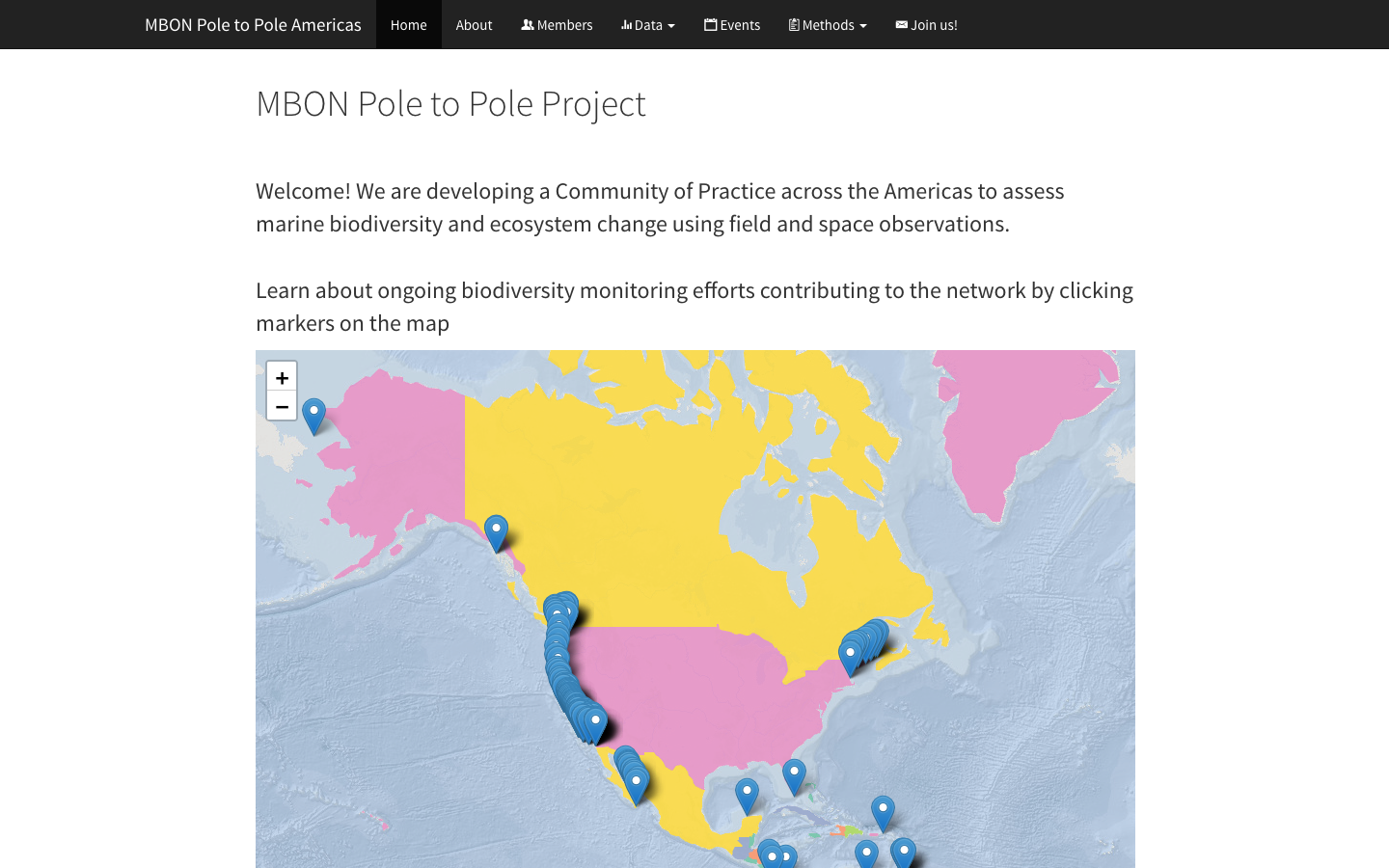
MBON Pole to Pole Data Atlas
Harmonized rocky-shore and sandy-beach biodiversity observations from Canada to Patagonia, standardized for cross-regional comparison and open access via OBIS.
Learn more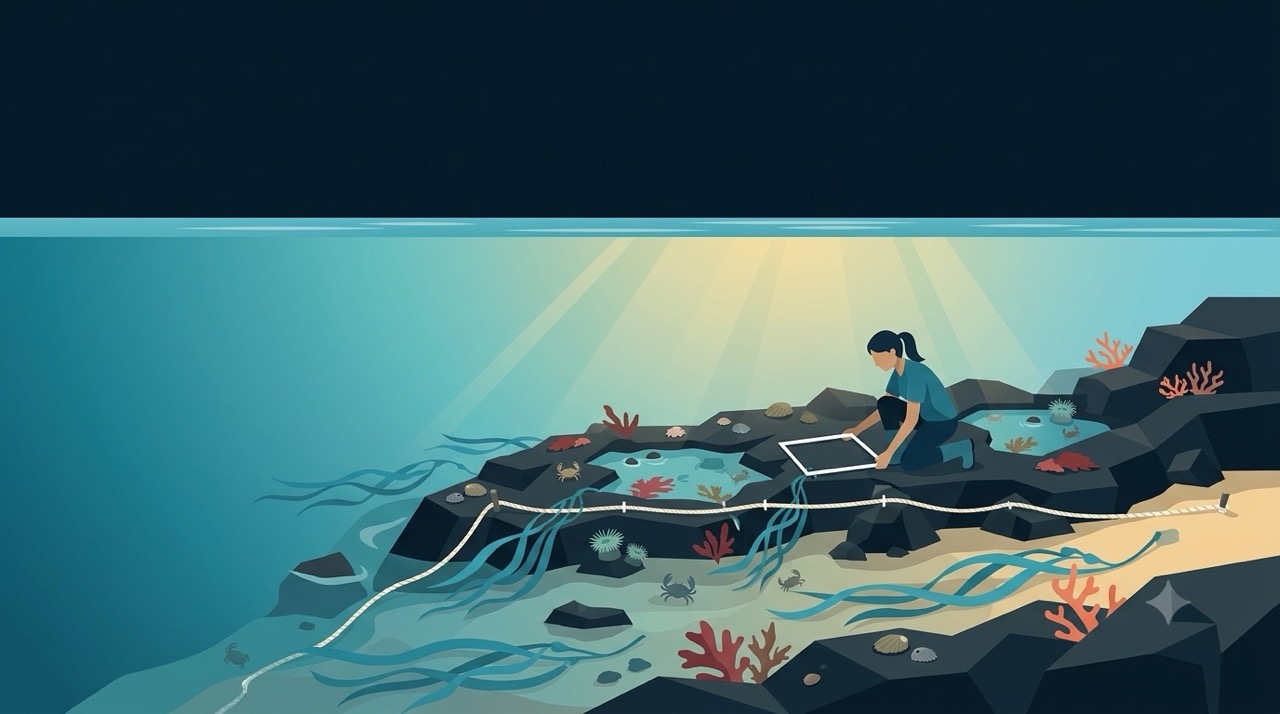
Benthic Surveys
Rocky-shore and sandy-beach transects, photo quadrats, and intertidal surveys record coastal biodiversity — connecting the land-sea interface to the global observation network.
Learn more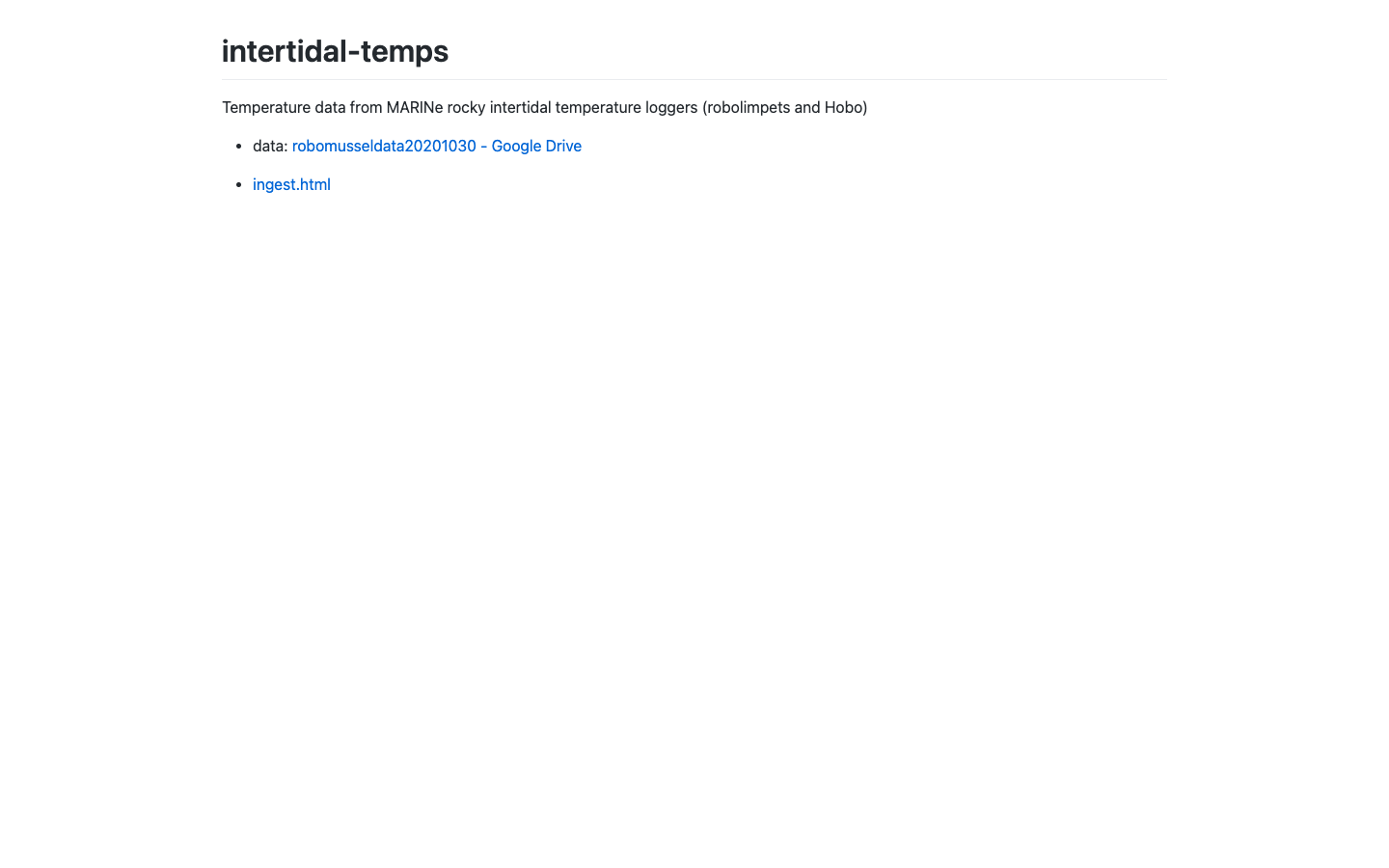
Intertidal Temperatures
Visualization of intertidal temperature logger records along rocky shores.
Learn more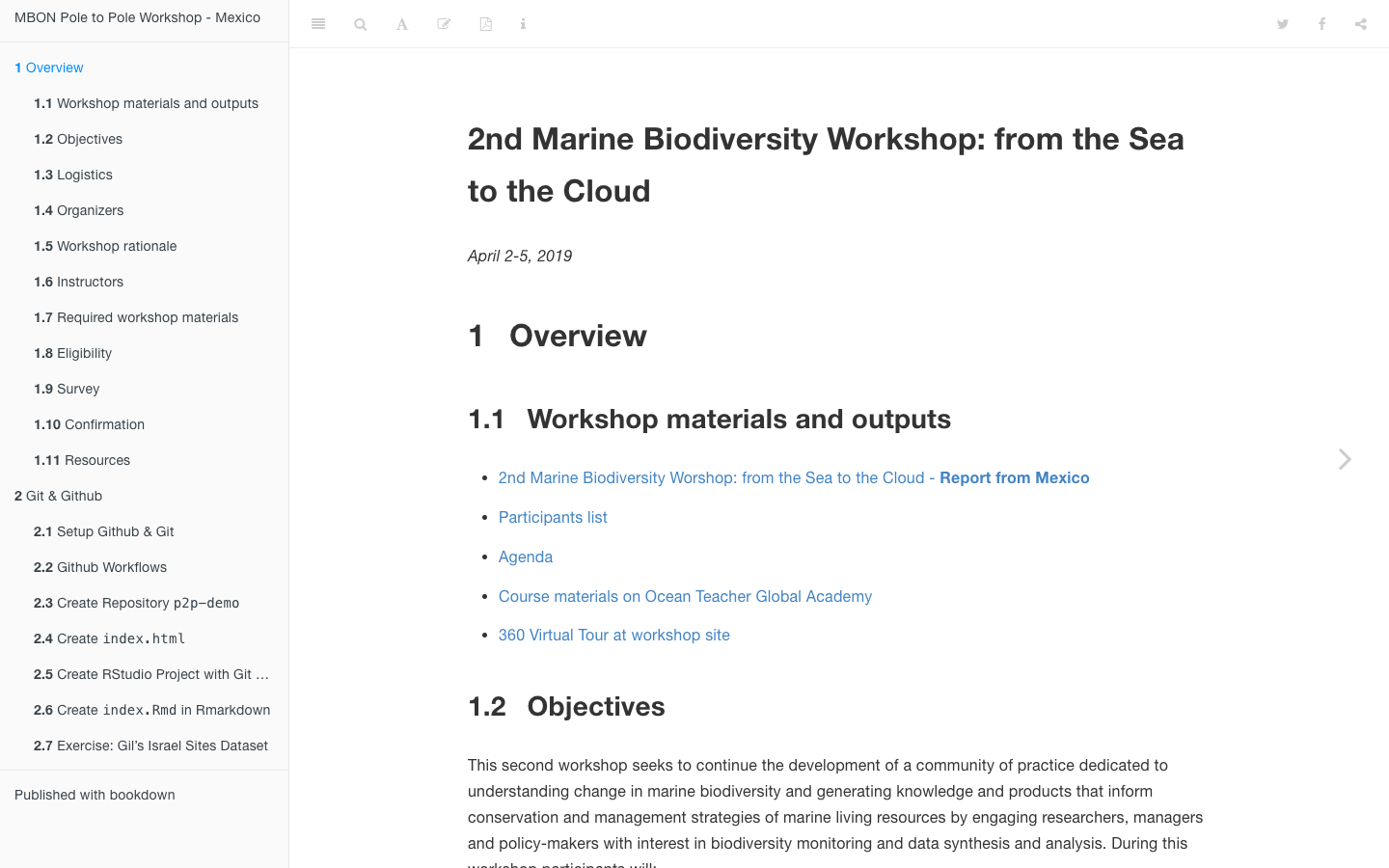
Pole to Pole Workshop — Mexico
MBON Pole to Pole rocky-shore and sandy-beach biodiversity monitoring training (Mexico).
Learn more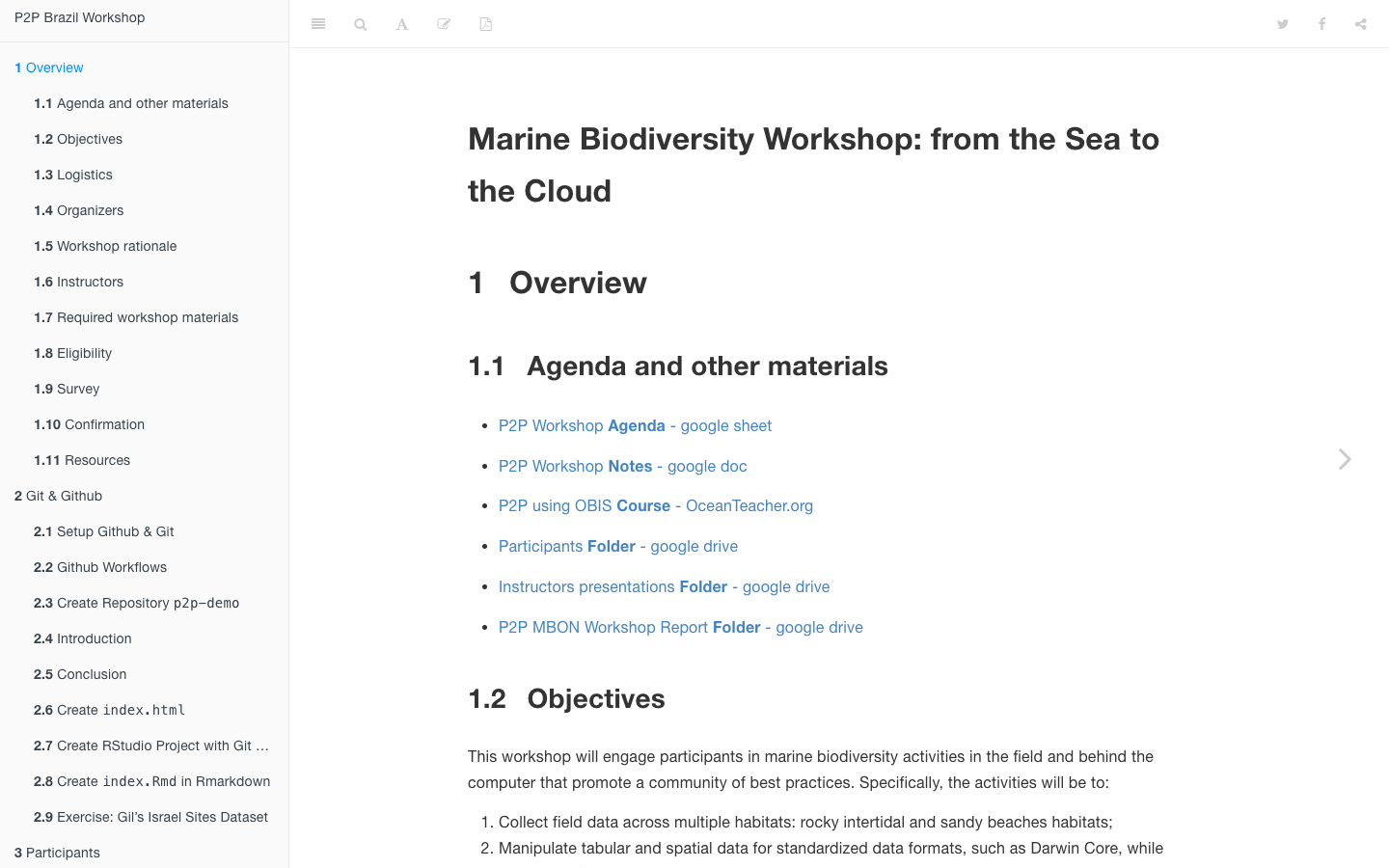
Pole to Pole Workshop — Brazil
MBON Pole to Pole rocky-shore and sandy-beach biodiversity monitoring training (Brazil).
Learn more