Learn what we and our partners are doing around the global network.
Add a news post
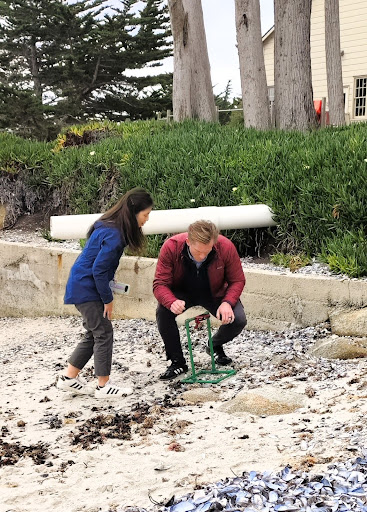
Over 85 years after Steinbeck and Ricketts documented life in the Sea of Cortez tidepools, a binational team retraces their expedition using MBON Pole-to-Pole protocols and eDNA to measure decades of biodiversity change.
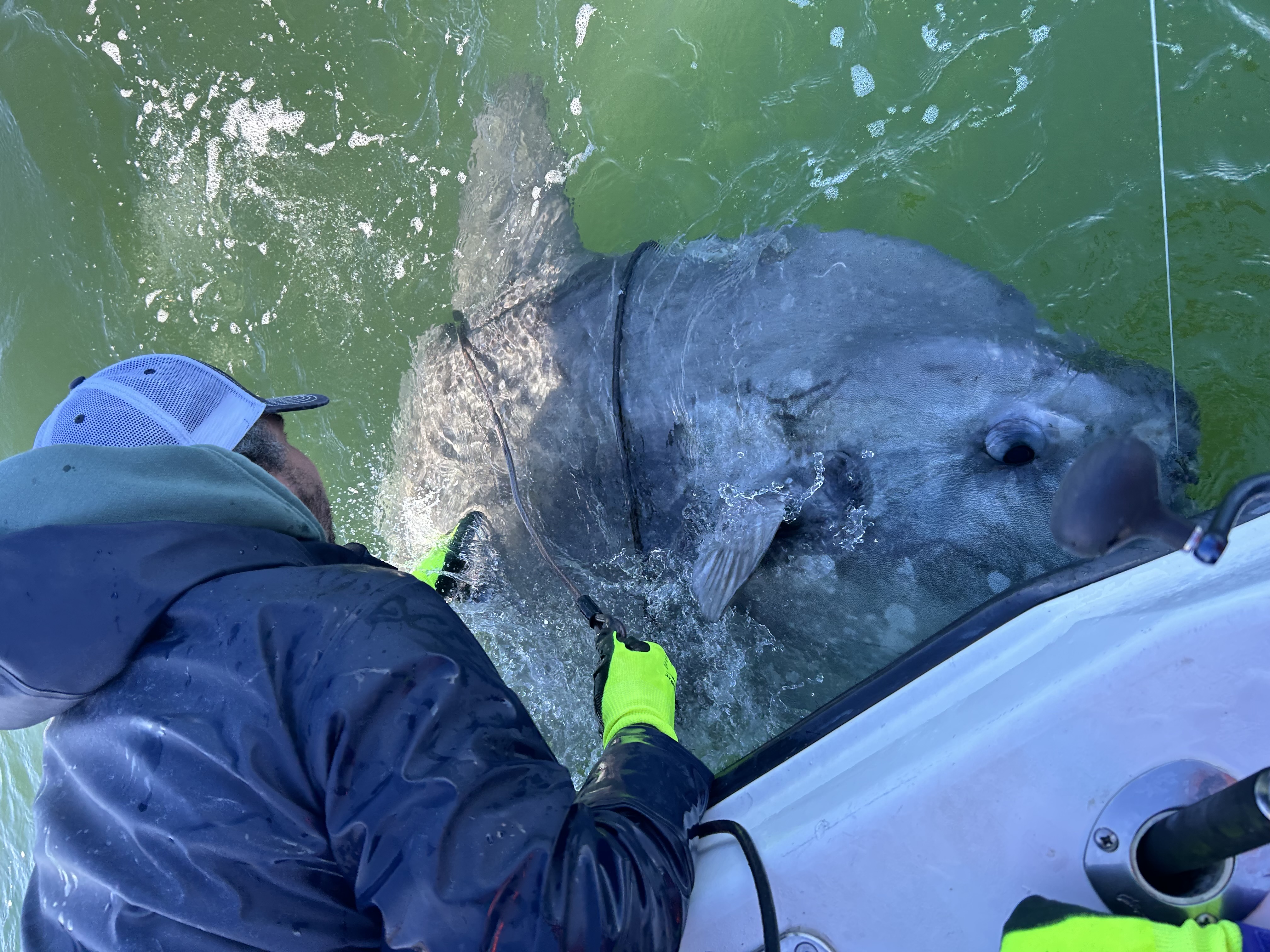
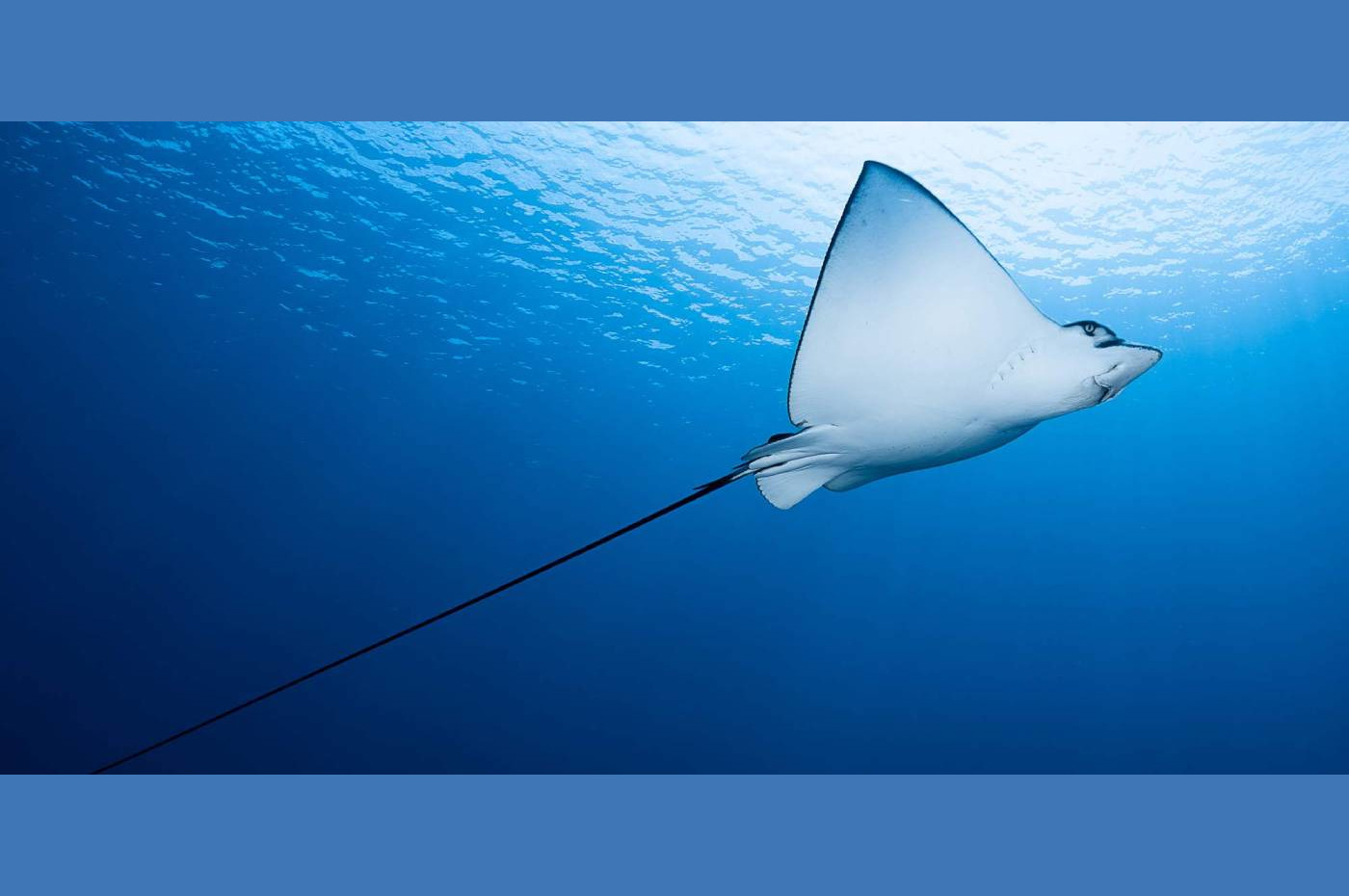
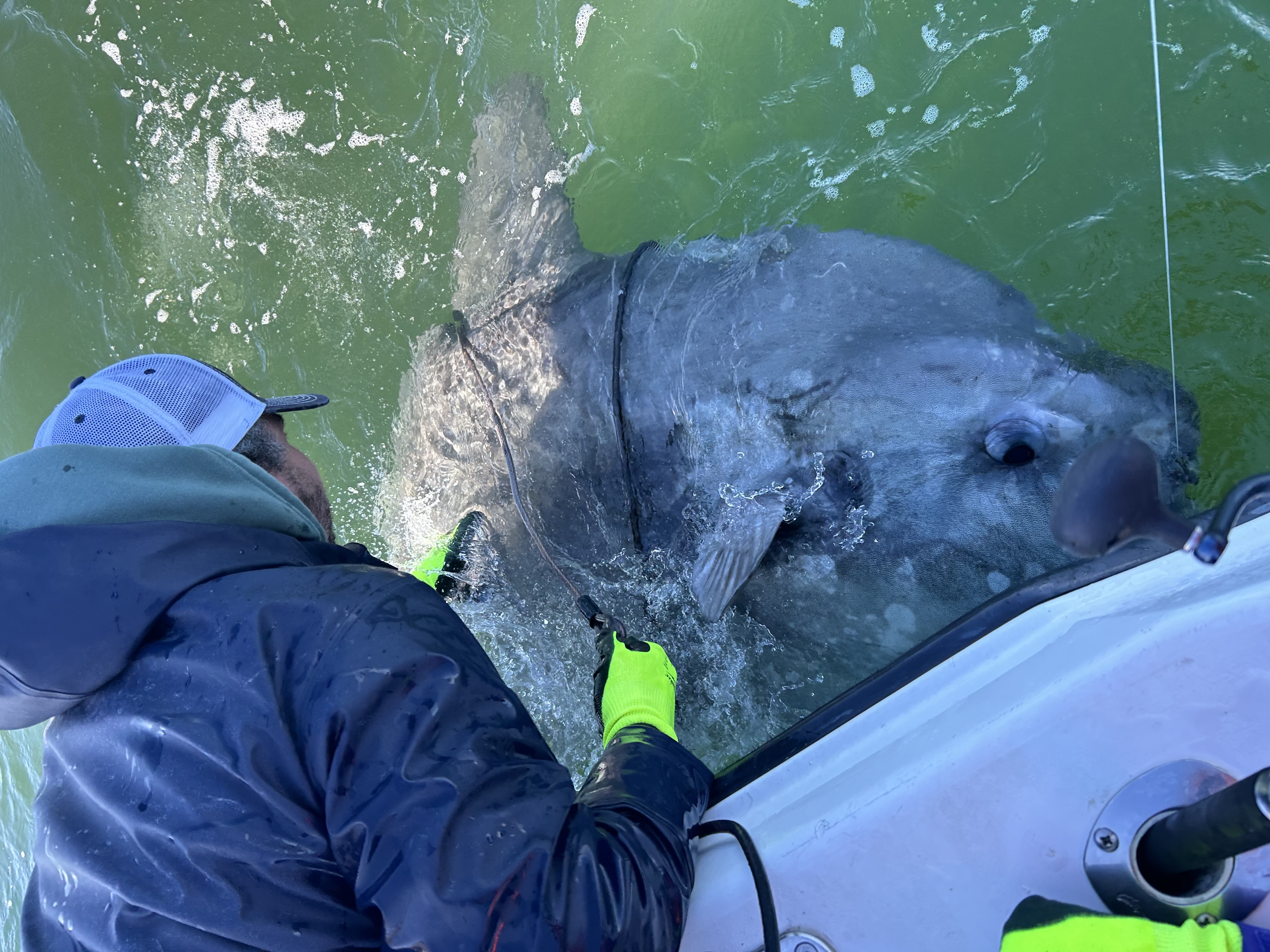
By combining satellite and acoustic tracking of marine species like the ocean sunfish, BioTrack is uncovering key patterns in biodiversity and making animal-movement data accessible to resource managers.
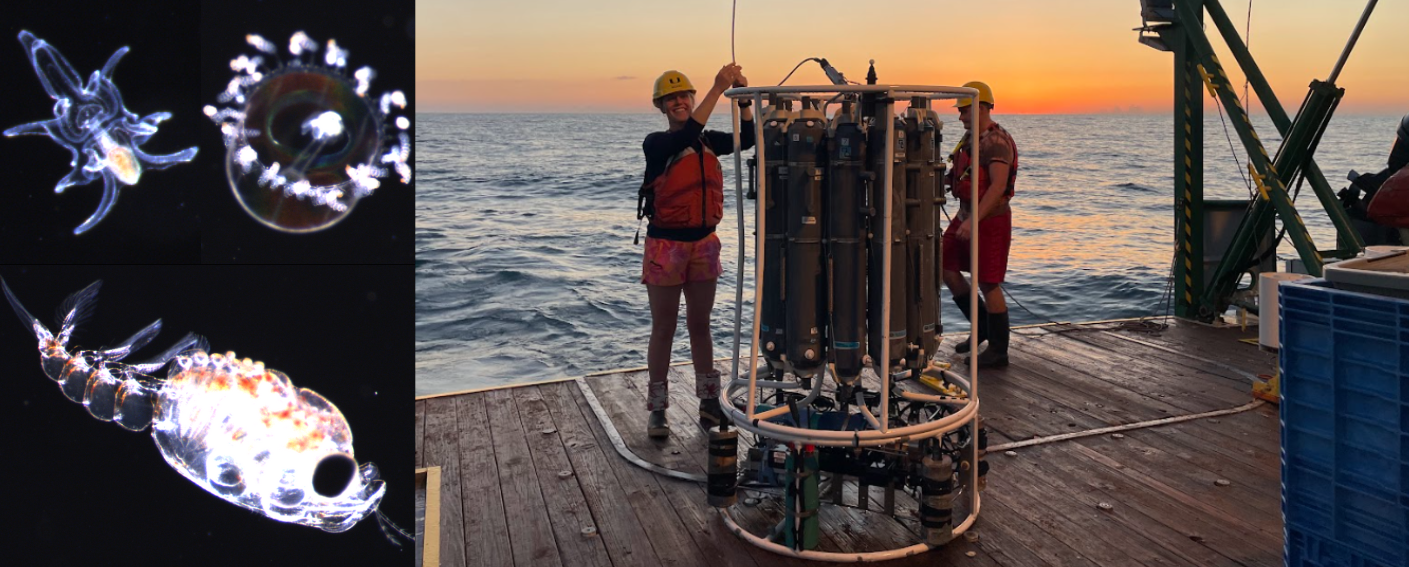
Dr. Enrique Montes uses a CPICS underwater microscope to capture high-resolution images of plankton in South Florida waters, building a new window into marine biodiversity.
A hands-on workshop on mobilising marine biological datasets to OBIS, with field training on rocky intertidal monitoring using MBON Pole to Pole protocols. Terceira Island, Azores, November 2025.
GOOS, BioEcoOcean, MBON, and the AIR Centre co-host a webinar series on Biology and Ecosystems Essential Ocean Variables (BioEco EOVs).
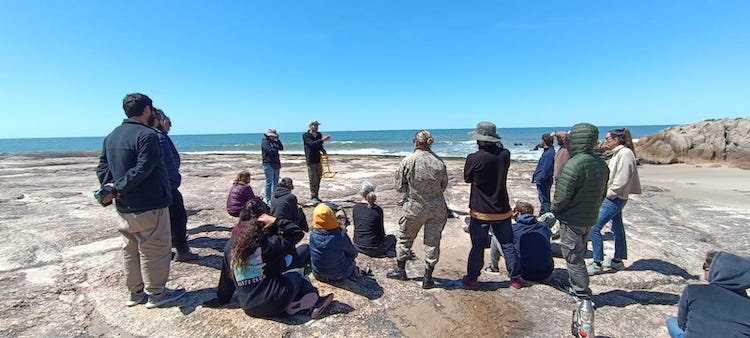
MBON Pole to Pole partners gather in Uruguay for a hands-on workshop on rocky shore monitoring protocols, advancing standardised intertidal biodiversity surveys across the Americas.
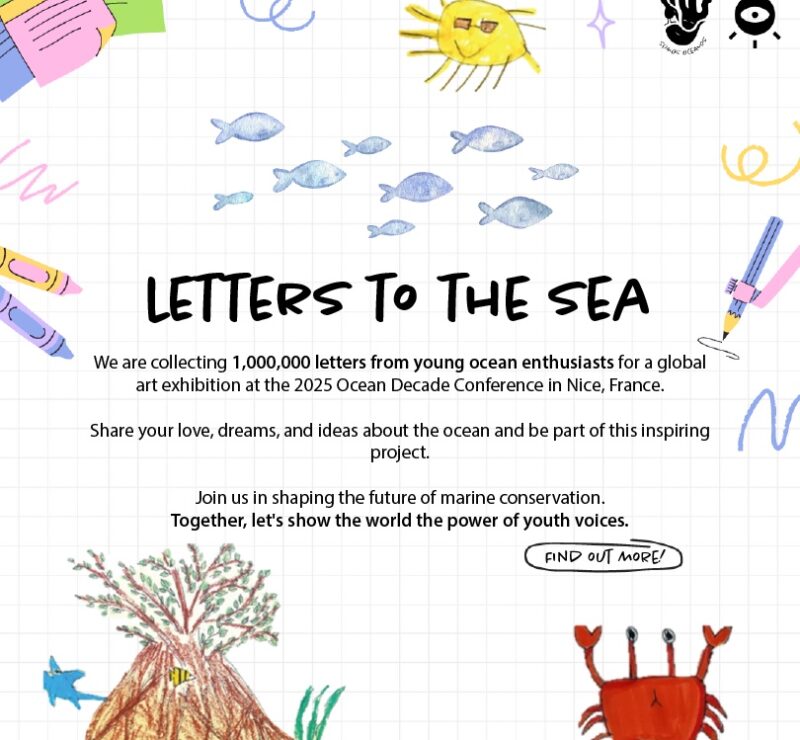
Somos OceanoS — a Marine Life 2030 affiliated project — invites youth aged 3–22 from around the world to submit letters for an art exhibition at the 2025 UN Ocean Conference.
The UN Ocean Decade Vision 2030 white papers have been published. MBON and Marine Life 2030 lead Challenge 2 on protecting and restoring ecosystems and biodiversity.
An initiative to embed marine biodiversity observation methods and open data practices into higher education curricula, building the next generation of ocean scientists.
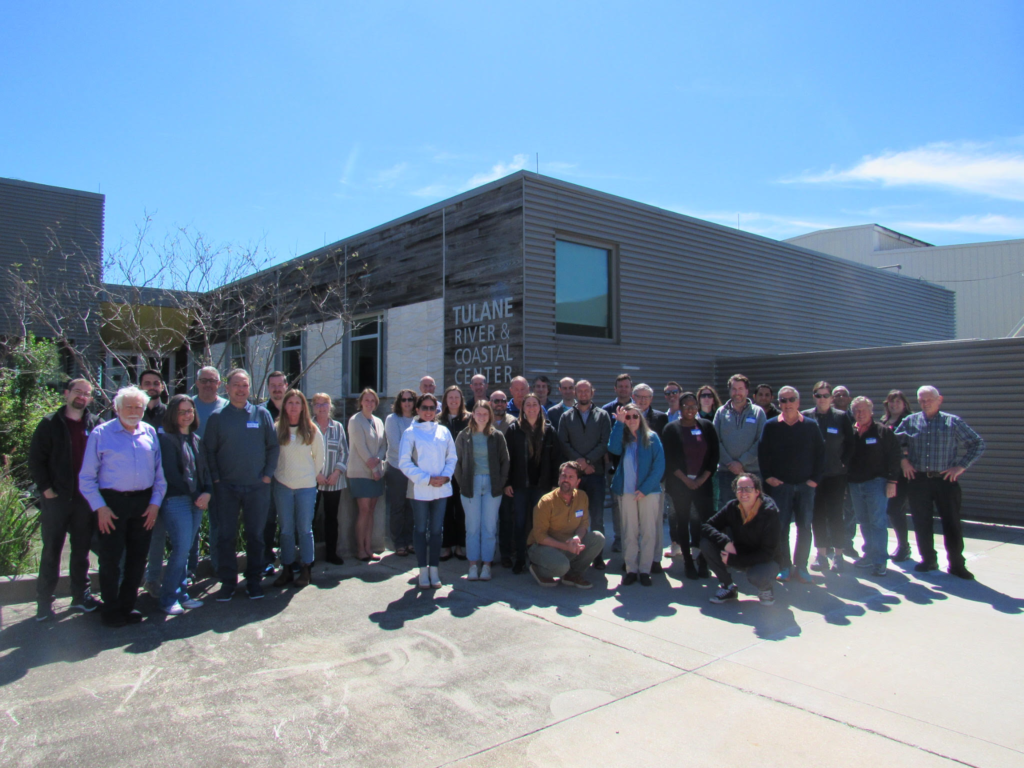
The U.S. MBON celebrated the tenth anniversary of its pilot projects at its annual All-Hands Workshop in New Orleans, bringing together scientists, agency partners, and international collaborators.
Frank Muller-Karger, co-chair of MBON and professor at the University of South Florida, is named a 2024 TOS Fellow by The Oceanography Society.
MBON and the AIR Centre renew their partnership to continue joint capacity building, data sharing, and collaborative research across the Atlantic and beyond.
Frank Muller-Karger delivers a public lecture at USF on ocean biodiversity, remote sensing, and the future of global marine observation networks.
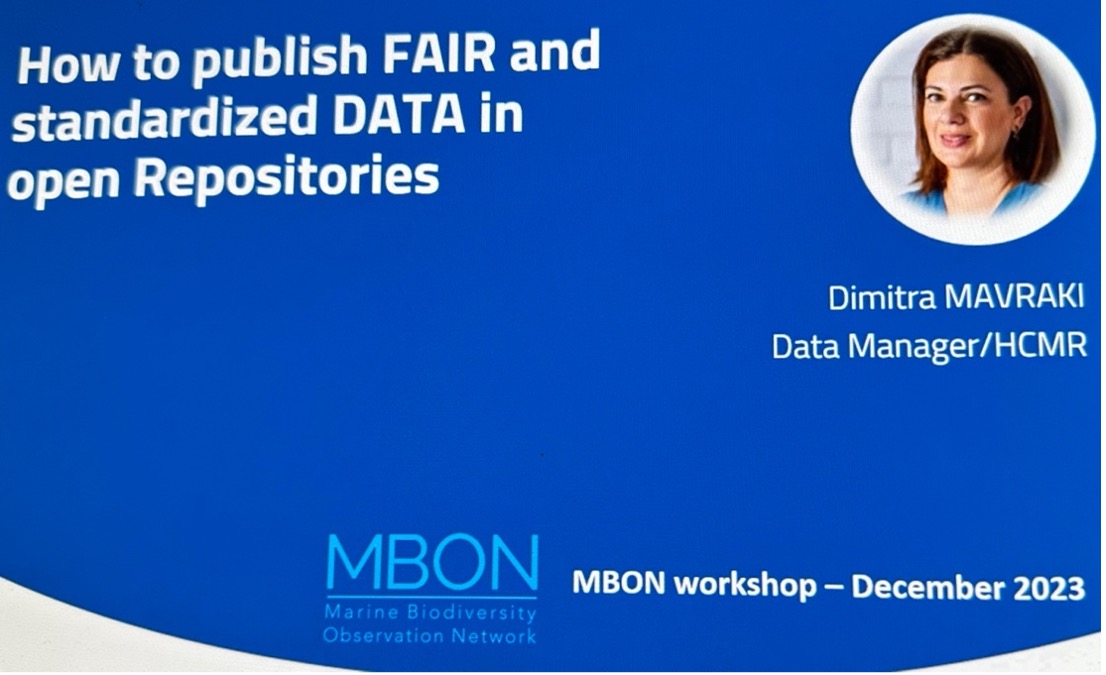
A seminar for European marine data holders on mobilising biological datasets to open repositories, applying Darwin Core standards, and publishing through OBIS.
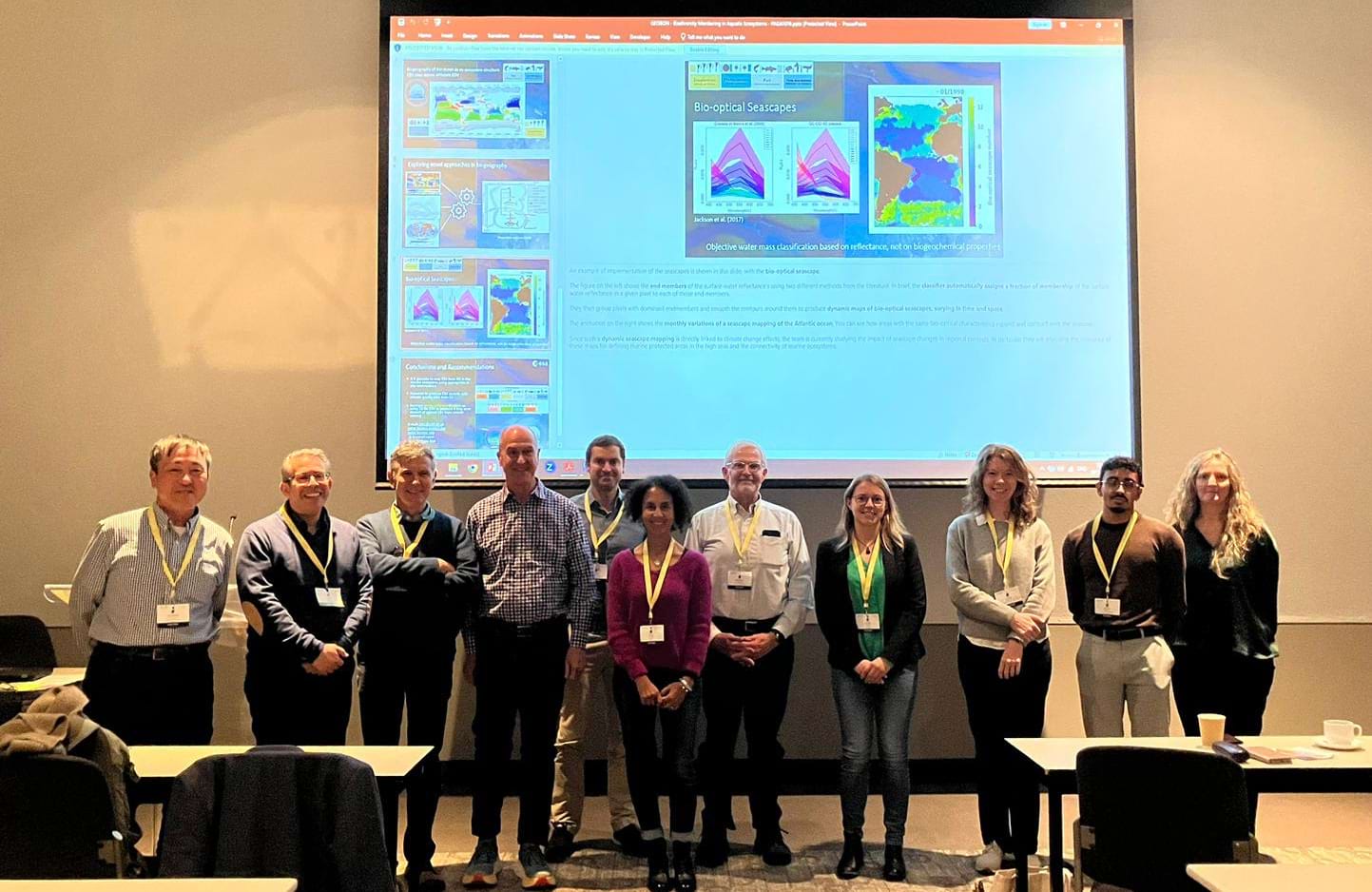
MBON and FWBON held a joint session at the GEO BON Global Conference 2023 in Montreal, exploring how marine and freshwater biodiversity monitoring can be aligned with terrestrial approaches.
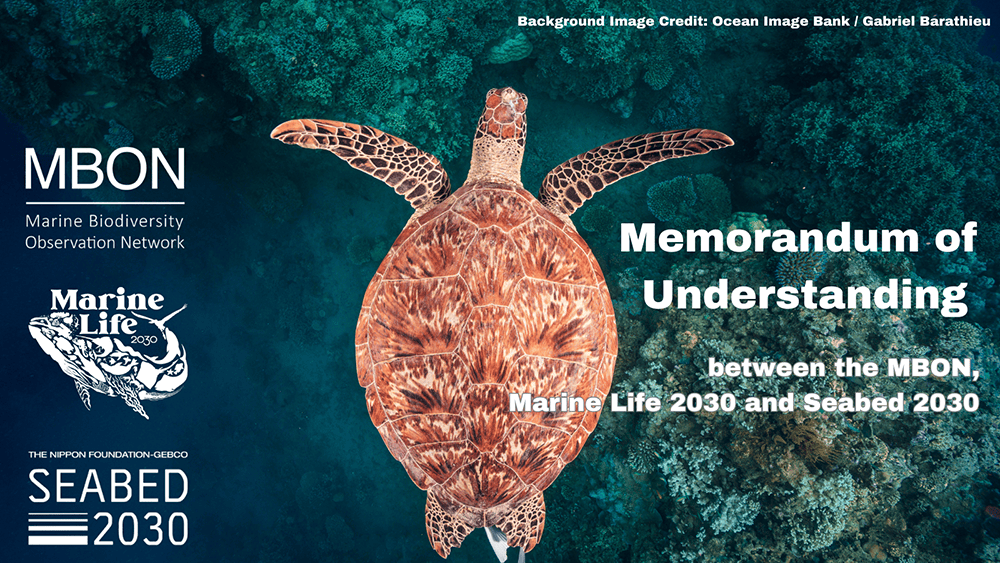
MBON and Seabed 2030 renew partnership to integrate biodiversity observations with bathymetric data, improving understanding of deep-sea ecosystems and their inhabitants.
A workshop bringing together practitioners to document, share, and align best practices for marine biodiversity observation across instruments, regions, and disciplines.
MBON works to build biodiversity monitoring capacity across nations, sharing methods, tools, and training to ensure global participation in ocean observation.
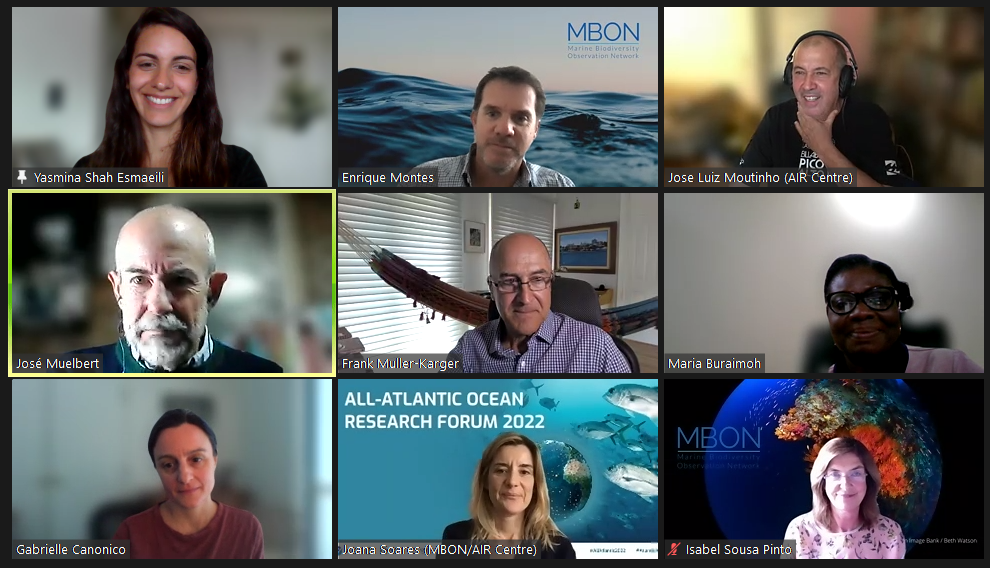
MBON, OBPS, OBIS, and GOOS co-hosted a virtual side event at the All-Atlantic Forum in Brasilia to advance co-design of biology and ecosystem observations across ocean basins.
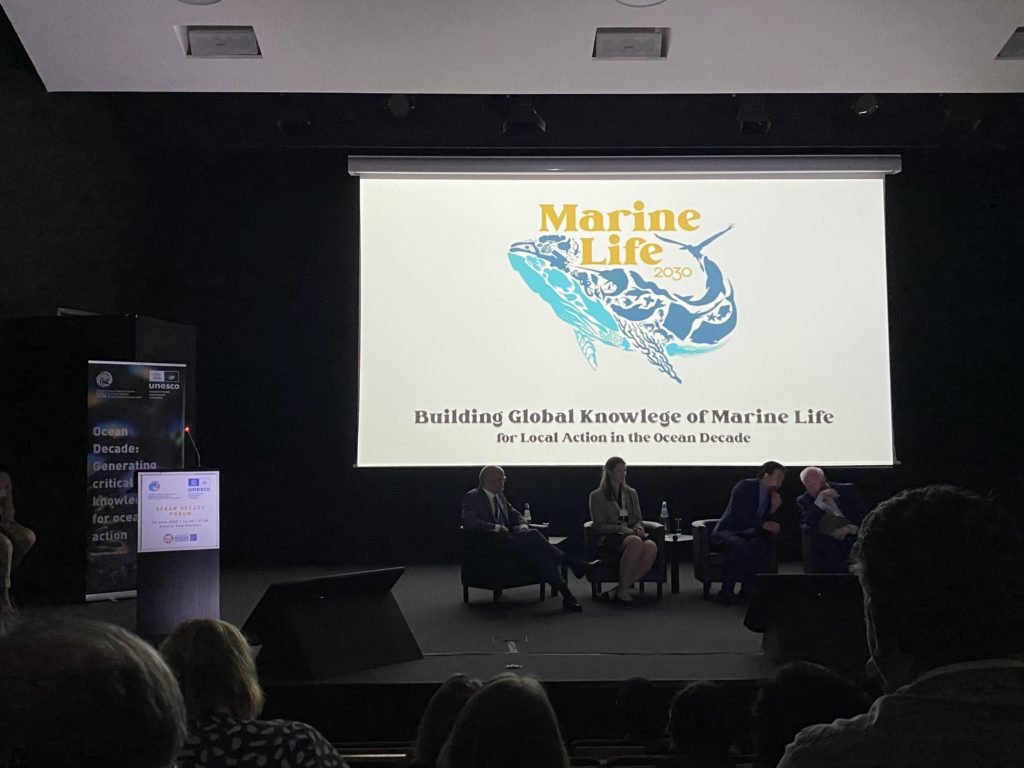
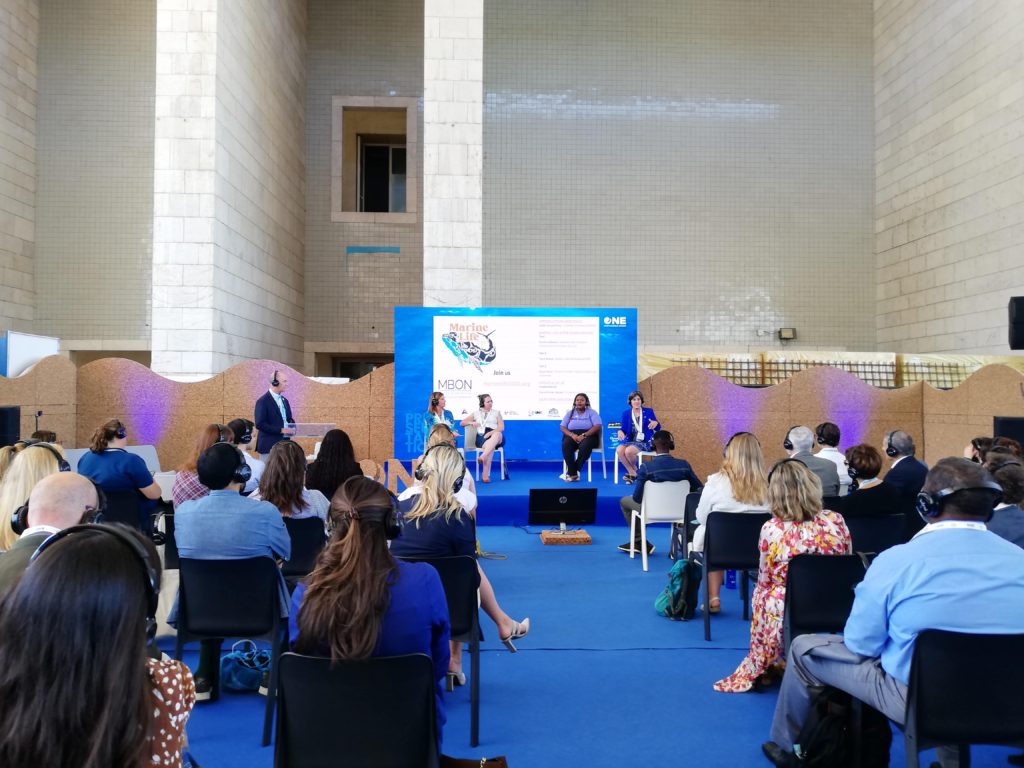
MBON joined partners at UNOC Lisbon 2022 for a side event on integrating marine life observations into indicators for conservation, restoration, and sustainable development.
MBON participated in events surrounding the UN Ocean Conference 2022, advancing Marine Life 2030 and ocean decade commitments for global biodiversity observation.
Collaborative effort to establish and disseminate best practices for marine biodiversity monitoring, ensuring interoperability and long-term usability of observation data.
Marine Biodiversity Networking Friday webinar on IOC/WESTPAC and coral reef survey and recovery activities, hosted by the AIR Centre.
An early celebration of International Women's Day — part of the AIR Centre Networking Fridays webinar series on March 4, 2022.
MBON, SCAR, and the SCAR Antarctic Biodiversity Portal formalise a cooperation to reinforce ocean biodiversity observing capacity in the Southern Ocean and beyond.
Changes in marine biodiversity — the variety and variability of life in the ocean — can be an early indicator of change, provided it’s noticed. Read more …
NOAA and partner agencies recognise outstanding contributions to marine biodiversity science and the development of operational ocean observation programmes.
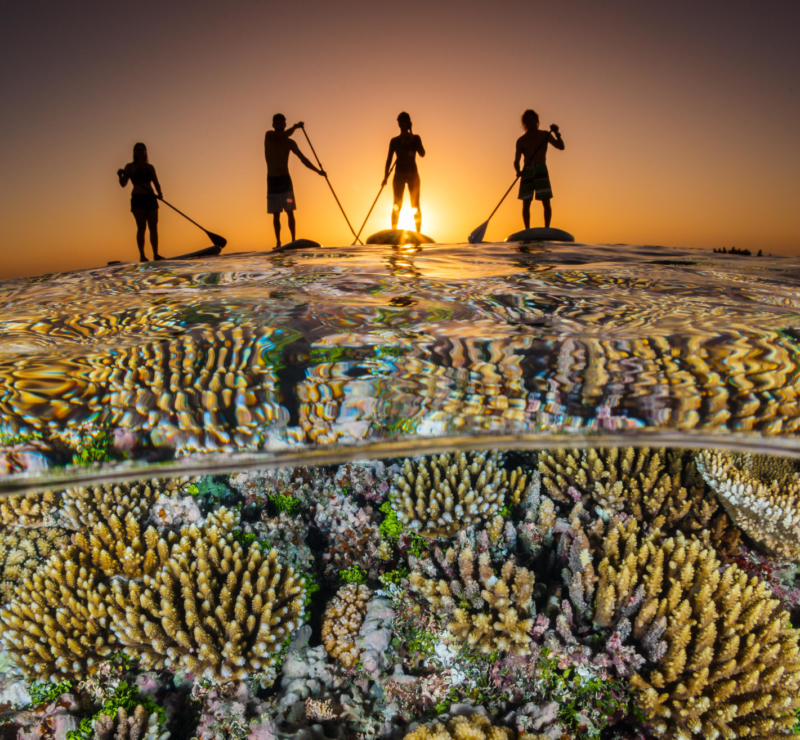
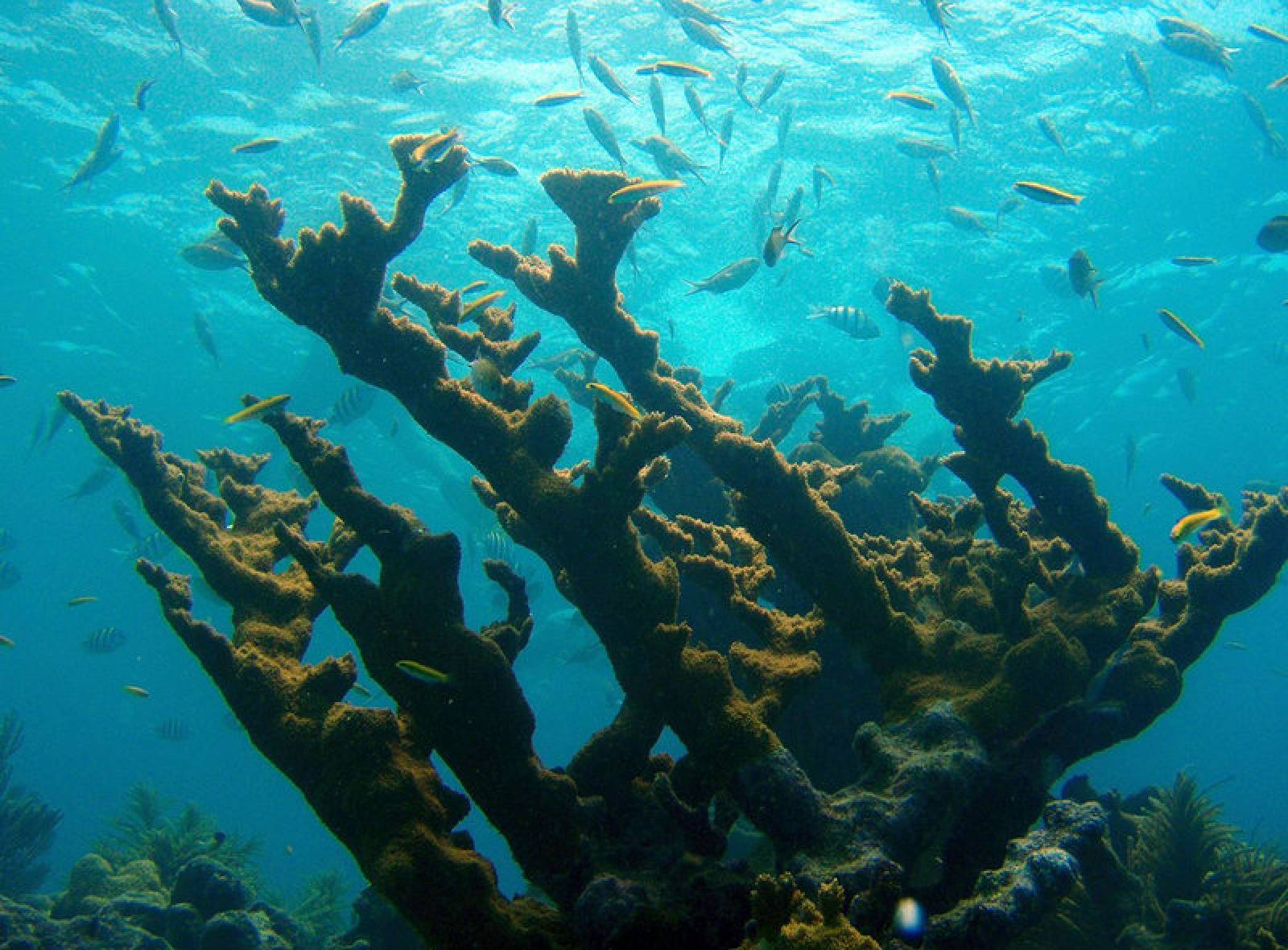
Marine foundation species like giant kelp, seagrass, and corals harbor great reservoirs of biodiversity in coastal oceans. Now the Santa Barbara Channel MBON …
Announcement of expanded global MBON network coordination, connecting regional programmes into a unified, interoperable system for tracking marine biodiversity worldwide.
Central to the US MBON is the development of new and innovative means to assess marine biodiversity. The MBON community has made significant advances in …
OBIS and UNESCO launch a two-year eDNA project to monitor fish biodiversity across marine World Heritage sites, providing globally standardised data on climate vulnerability.
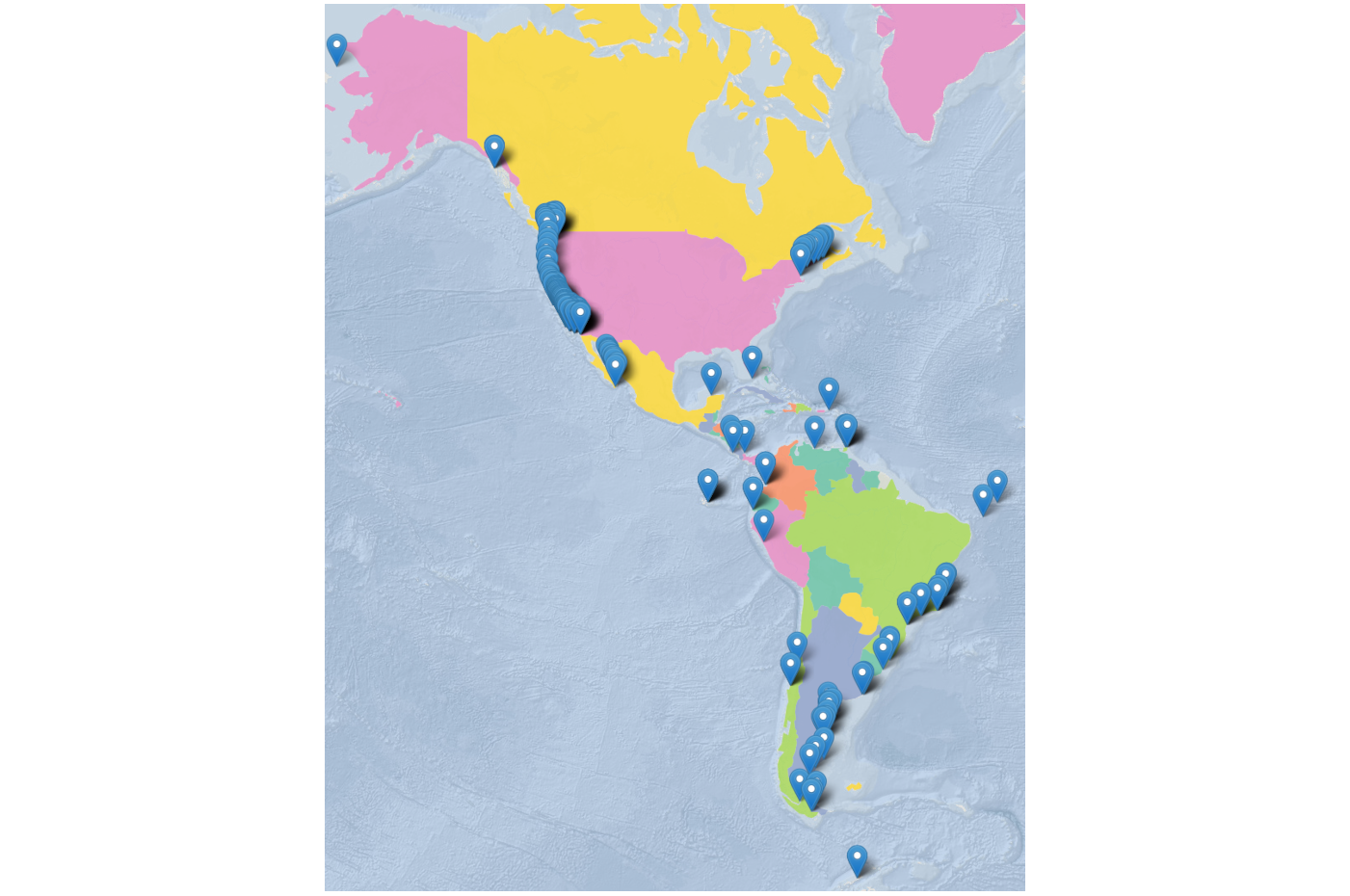
Enrique Montes presented on the MBON Pole to Pole network's progress coordinating standardised biodiversity data across the Americas in support of the 2030 Agenda and CBD.
UNEP-WCMC's National Ecosystem Assessment Initiative launches an online platform hosting resources, case studies, and guidance to support countries undertaking ecosystem assessments.
We are pleased to announce that Marine Life 2030 program was endorsed as a UN Ocean Decade Action. In the spirit of the UN Decade of Ocean Science for …
Programme proposal: submitted by MBON partners to the first call for Actions by the UN Decade of Ocean Science for Sustainable Development (the Ocean Decade) …
A continental-scale ARMS network across European marine sanctuaries and ports uses genetic methods to detect non-indigenous species far earlier than conventional sampling.
Researchers studying the Bering and Chukchi seas for three weeks in October found no ice and a surprisingly active ecosystem as they added another year’s …
MBON, NERRS and NASA team develops automated, satellite-based method to evaluate damage caused by hurricanes and severe storms in coastal areas. Read more here. …
Over 30 regional experts met virtually to coordinate U.S.–Canada approaches to understanding North Atlantic right whale foraging habitat, linking zooplankton science to conservation strategy.
One priority for MBON is to advance global interoperability and use of standards for a minimum set of observations (Essential Ocean Variables and Essential …
US and global MBON partnered with US IOOS, NOAA’s Oceanic and Atmospheric Research Atlantic Oceanographic and Meteorological Laboratory (AOML), and …
New tools were developed by partners of the Sanctuaries MBON team in Monterey Bay National Marine Sanctuary to investigate the relationships between the ocean …
MBON, with NOAA/AOML, has characterized seascapes for the Florida Keys National Marine Sanctuary (FKNMS) and southwest Florida shelf nearshore environment using …
No news matches those filters.