
Great Lakes MBON
Freshwater biodiversity at continental scale.
This project will fill a critical gap in science and management of the Great Lakes by creating a BON that uses complementary technological approaches to address interconnections among dynamic pelagic habitats known as “Lakescapes”, biodiversity across the tree of life, movement of key fisheries species, and the role of diversity in supporting ecosystem functions.
Partners for GL-MBON include NOAA’s Great Lakes Environmental Research Laboratory, Great Lakes Observing System (regional IOOS association), Great Lakes CoastWatch node, NOAA National Marine Sanctuaries, Great Lakes Acoustic Telemetry Observation System, Oregon State University, and the Cooperative Institute for Great Lakes Research.
Ecosystem services and biodiversity in the Great Lakes are imperiled by multiple stressors including introduction of non-native species, eutrophication, climate change, and overexploitation of fisheries. Monitoring biodiversity in the Great Lakes is challenging due to their spatial extent and strong gradients that lead to patchy biogeochemical and ecological features. This project will deliver dynamic lakescape classification using satellite-derived variables that are specific to Great Lakes environmental dynamics. We will synthesize existing genomics databases and collect new eDNA data (metabarcoding and metagenomics) to assess diversity at different levels of biological organization. Fish movement data from GLATOS will be combined with lakescapes and environmental data to examine how those populations associate with pelagic habitats and respond to multiple stressors. We will quantify the link between biodiversity and function using data from ongoing monitoring programs estimates of taxonomic and functional richness from omics technologies. And last, we will engage an End-User Advisory Group to produce products through co-design and meet the needs of partners and regional stakeholders.
Explore nearby networks
Marine zooplankton community structure through environmental DNA metabarcoding in the Florida Keys, collected by the South Florida Program (NOAA/AOML) and the Marine Biodiversity Observation Network (MBON)
This data consists of counts of putative zooplankton OTUs, revealed through metabarcoding of the cytochrome oxidase I (COI) gene extracted from filtered water samples in the Florida Keys National Marine Sanctuary during 2016.
View dataset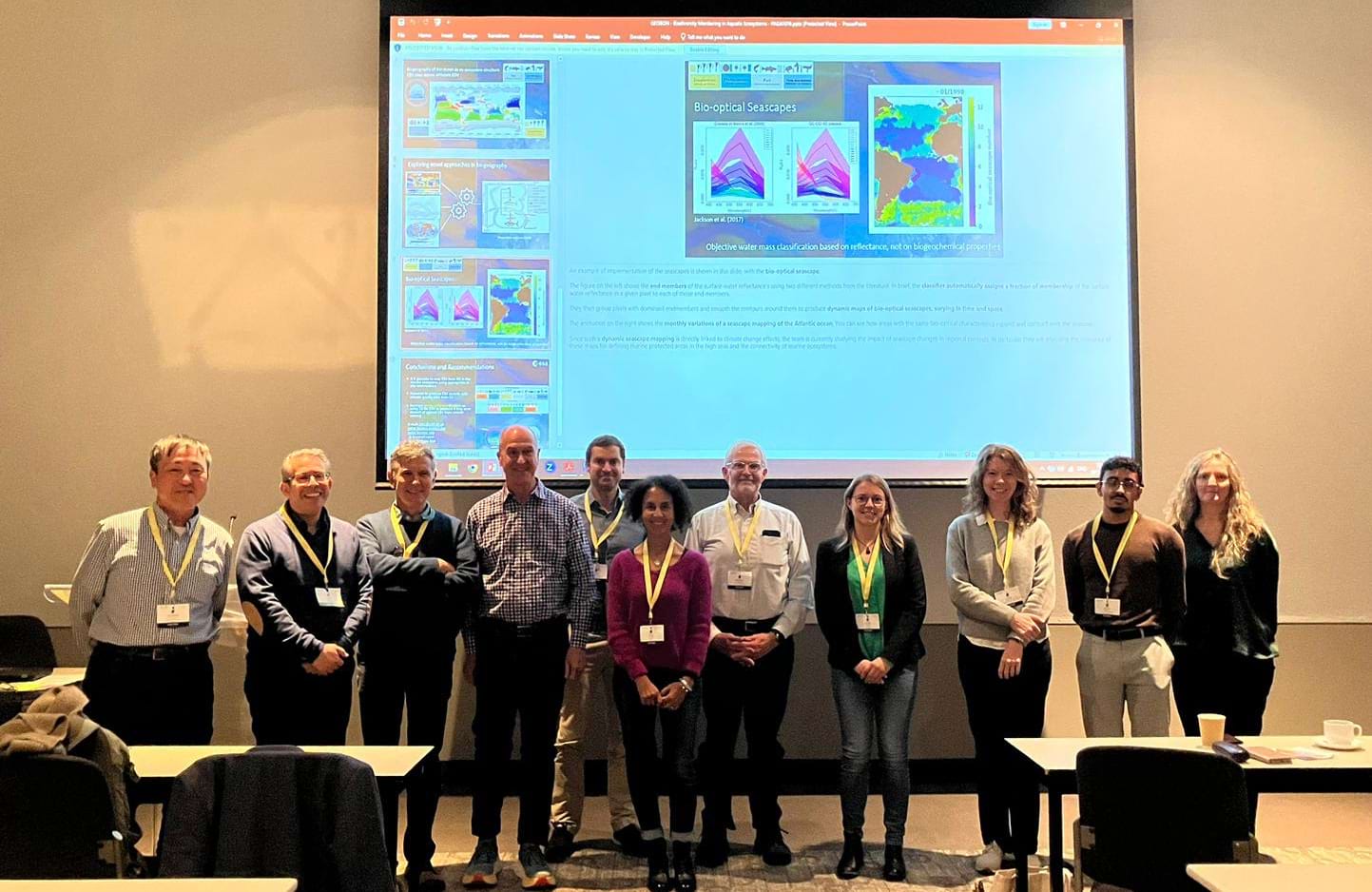
MBON and FWBON Joint Session at GEO BON Conference
MBON and FWBON held a joint session at the GEO BON Global Conference 2023 in Montreal, exploring how marine and freshwater biodiversity monitoring can be aligned with terrestrial approaches.
Read storyCan we manage fisheries with the inherent uncertainty from eDNA?
Christopher L. Jerde · Journal of Fish Biology
Read paper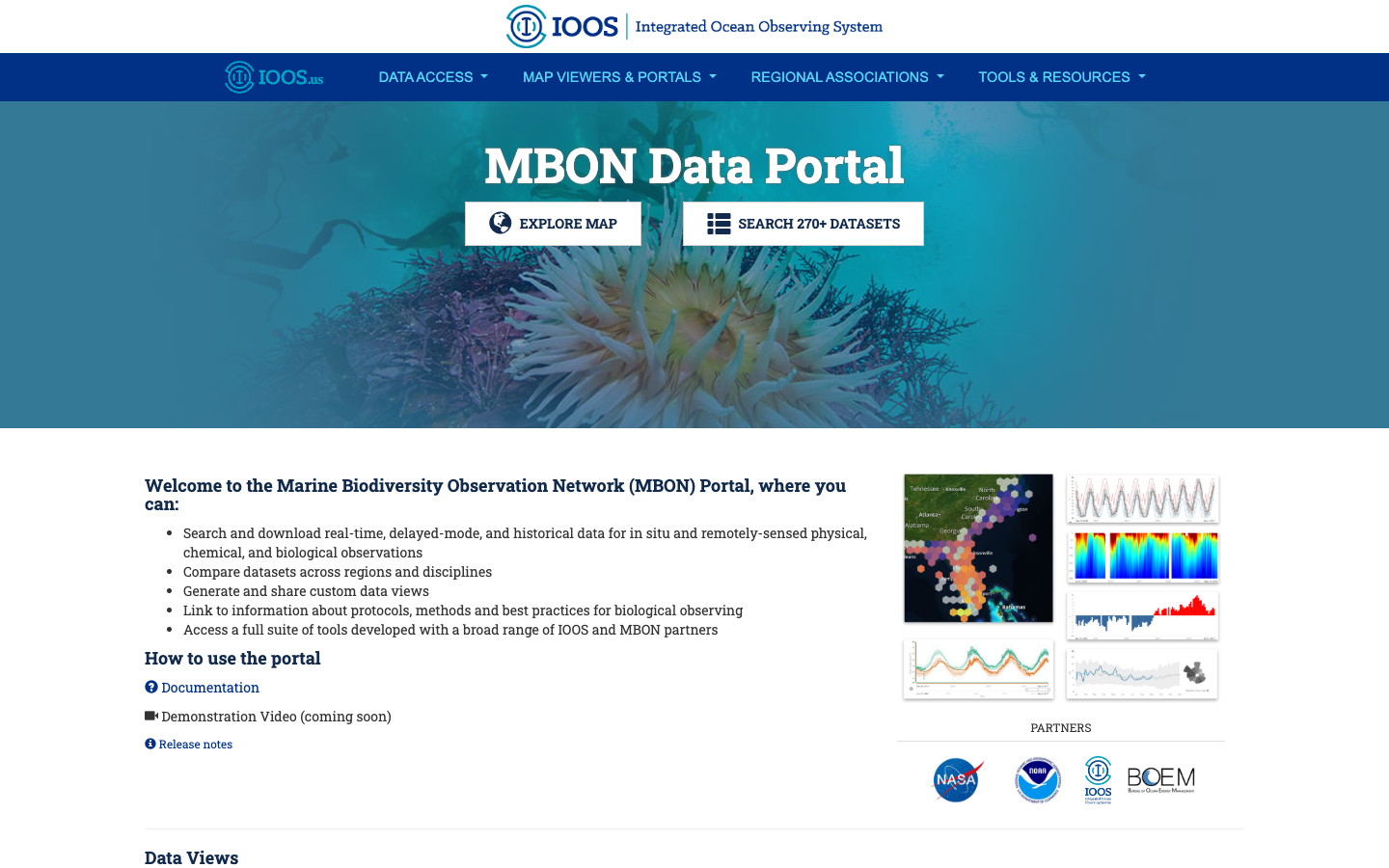
MBON Data Portal
Search, download, visualize, and analyze real-time, delayed-mode, and historical MBON biological observations alongside physical and chemical data.
Learn more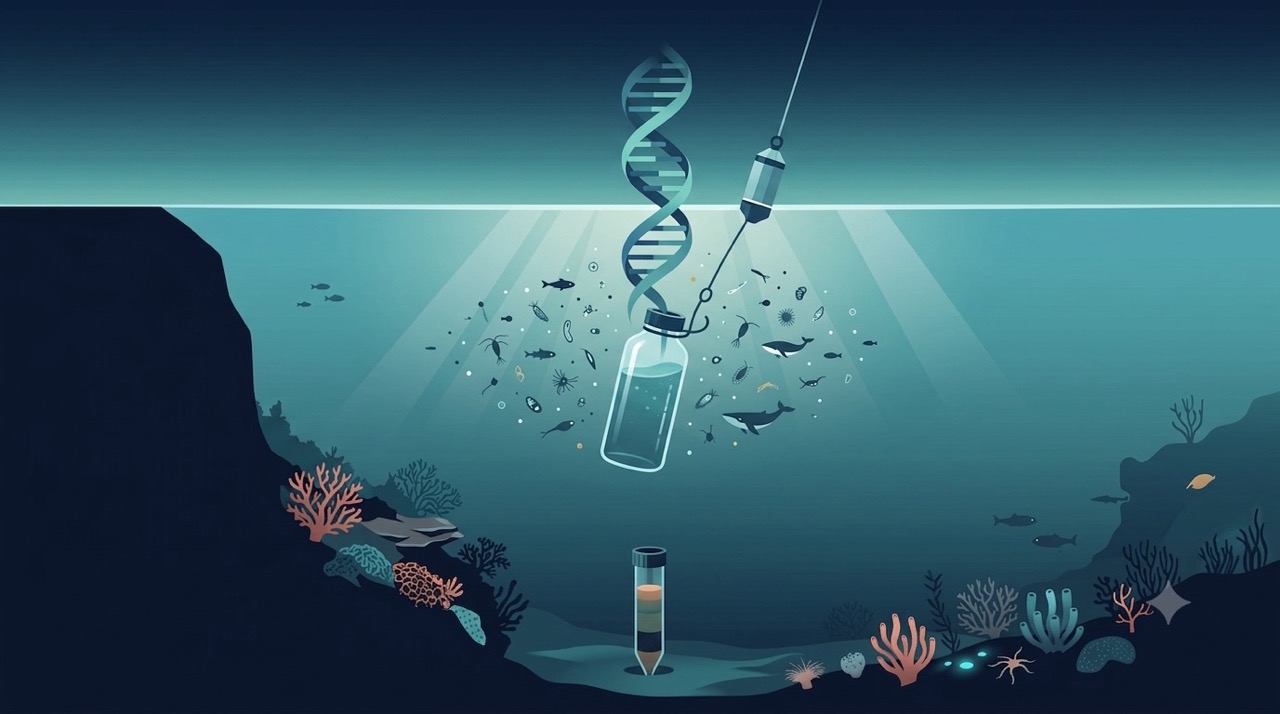
Genomics & eDNA
Environmental DNA extracted from water and sediment samples reveals the full community of organisms present — from bacteria to whales — with a speed and breadth impossible through visual surveys alone.
Learn more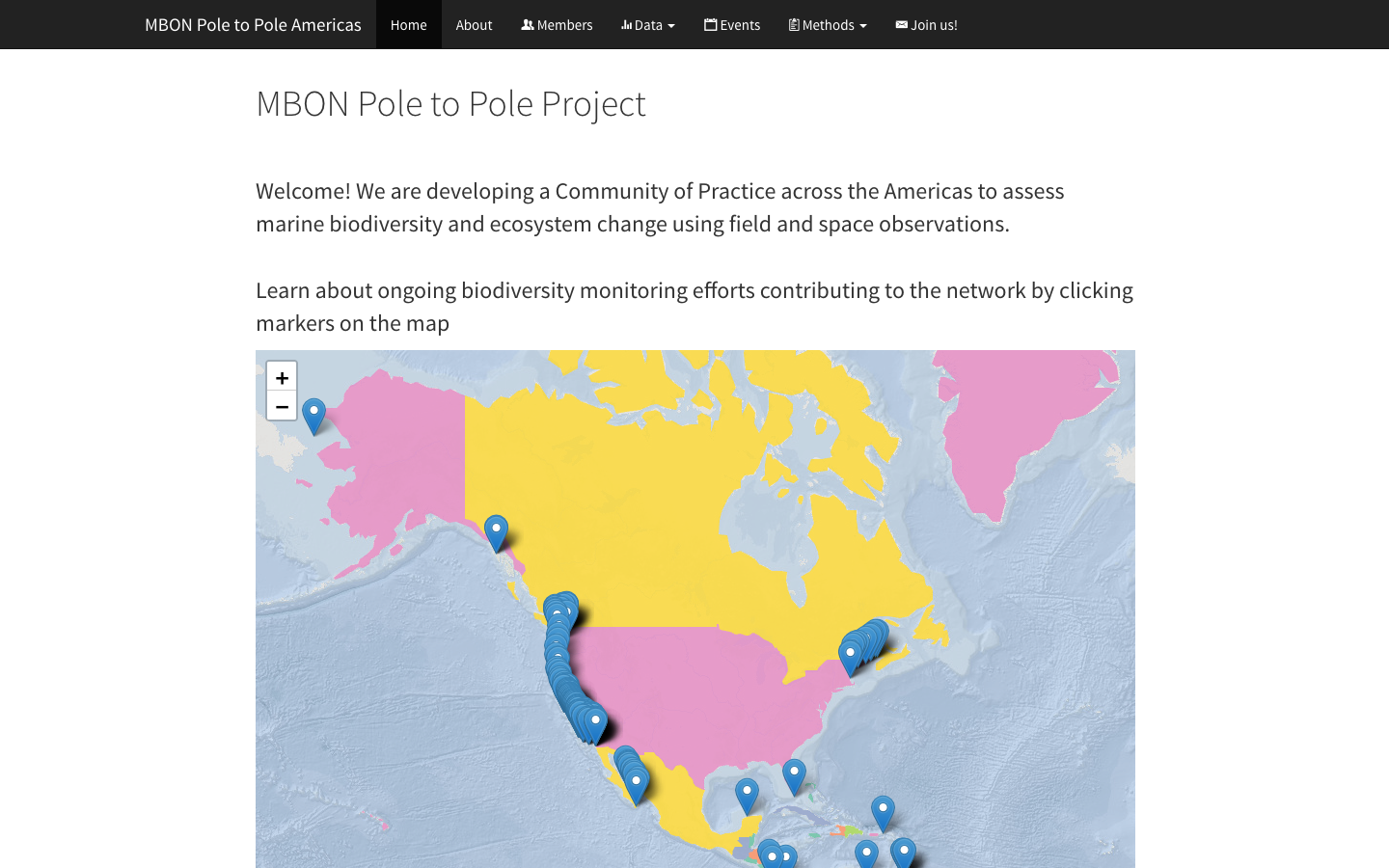
MBON Pole to Pole Data Atlas
Harmonized rocky-shore and sandy-beach biodiversity observations from Canada to Patagonia, standardized for cross-regional comparison and open access via OBIS.
Learn more