
Methods for a connected ocean record
How MBON observes, synthesizes, and disseminates marine biodiversity — from satellite pixels to single molecules of DNA.
From pixels to molecules
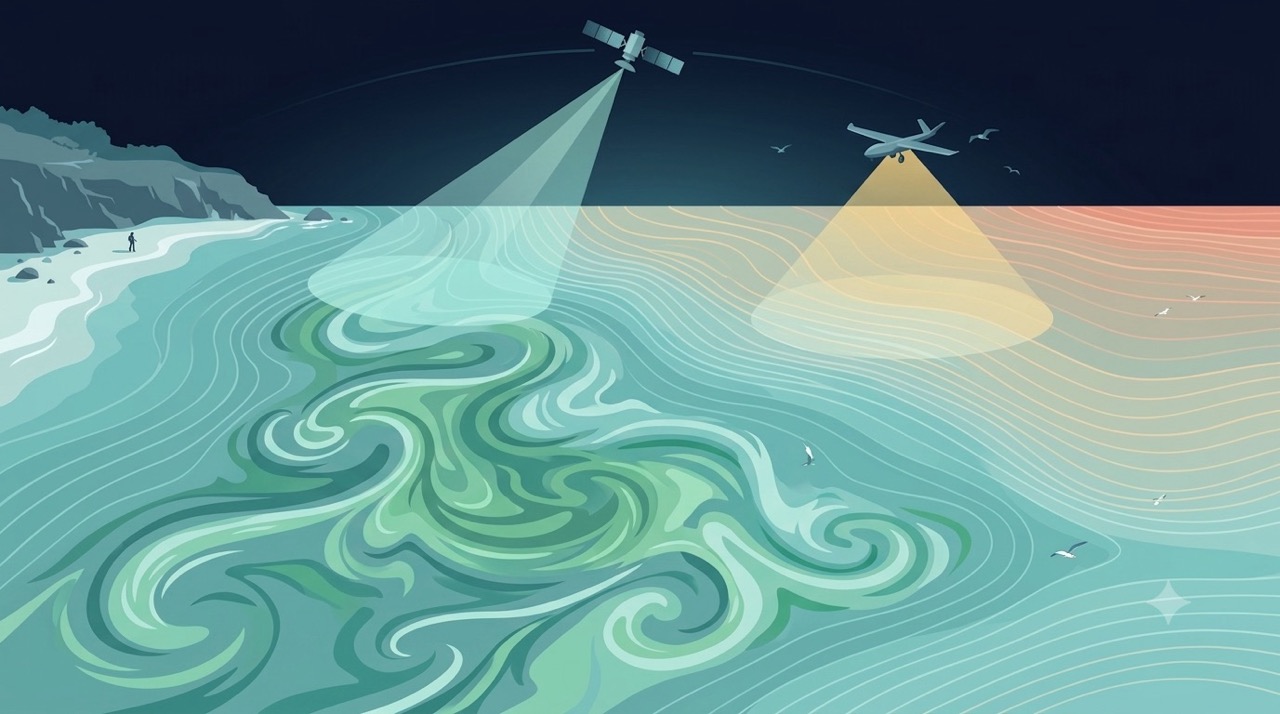
Remote Sensing
Satellites and aerial sensors resolve ocean color, temperature, and habitat extent across millions of square kilometers — scales no ship survey can match.
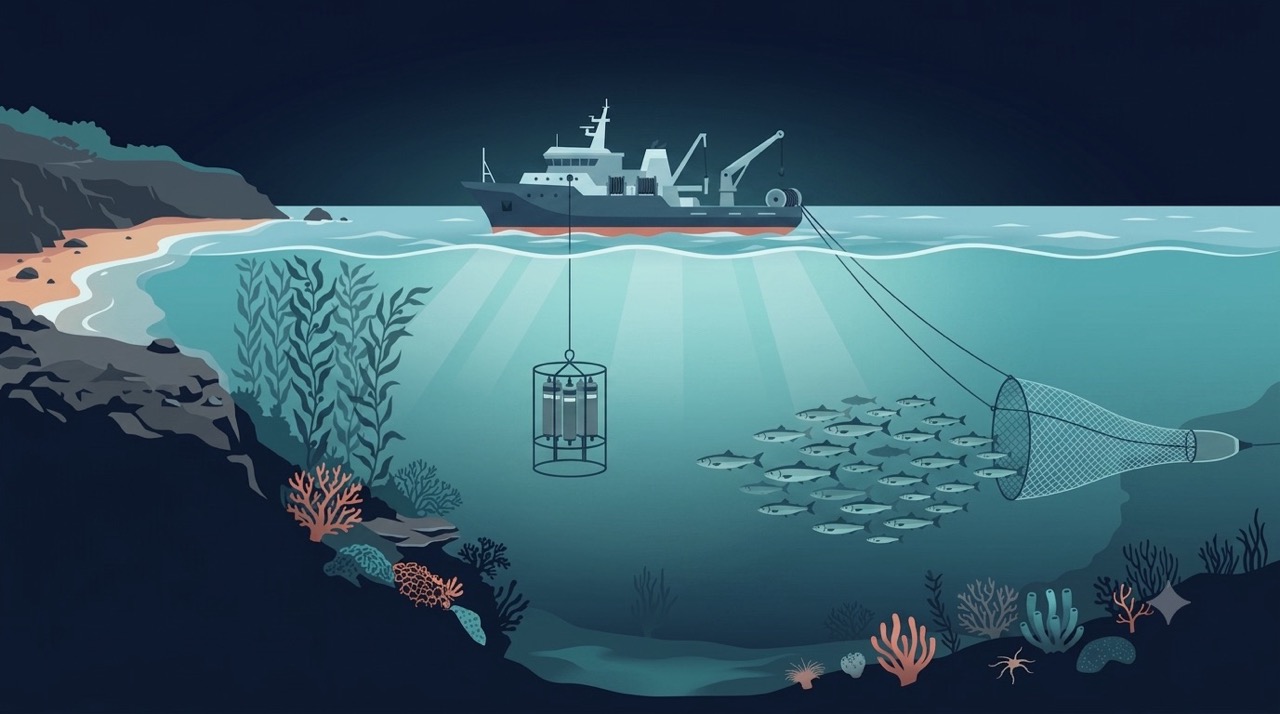
Traditional At-Sea Surveys
Trawl surveys, visual transects, and ship-based acoustic surveys remain the calibration backbone of marine biodiversity monitoring — the gold standard that modern methods are validated against.
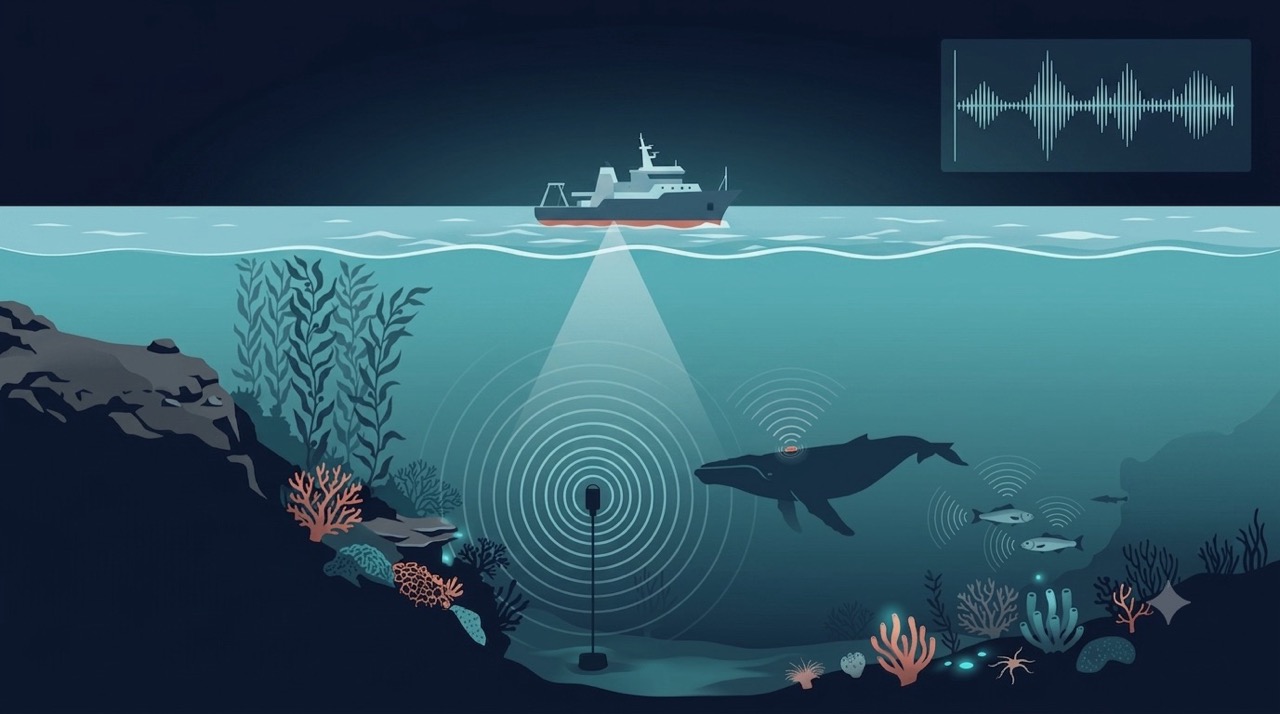
Acoustics
Passive acoustic monitoring listens to the soundscape of the sea; active acoustics enumerates fish and zooplankton. Together they cover the water column continuously, day and night.
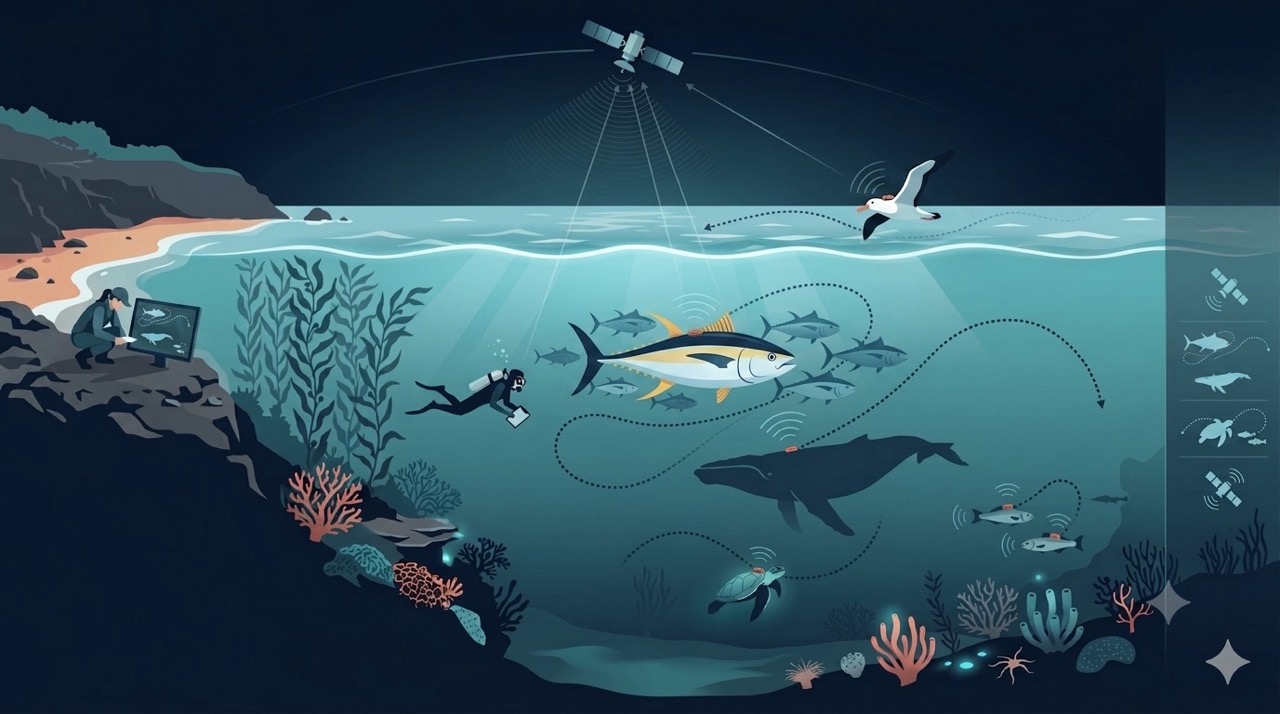
Tracking
Electronic tags on fish, turtles, marine mammals, and seabirds reveal how animals move through and use ocean habitat — essential for conservation planning and understanding climate responses.
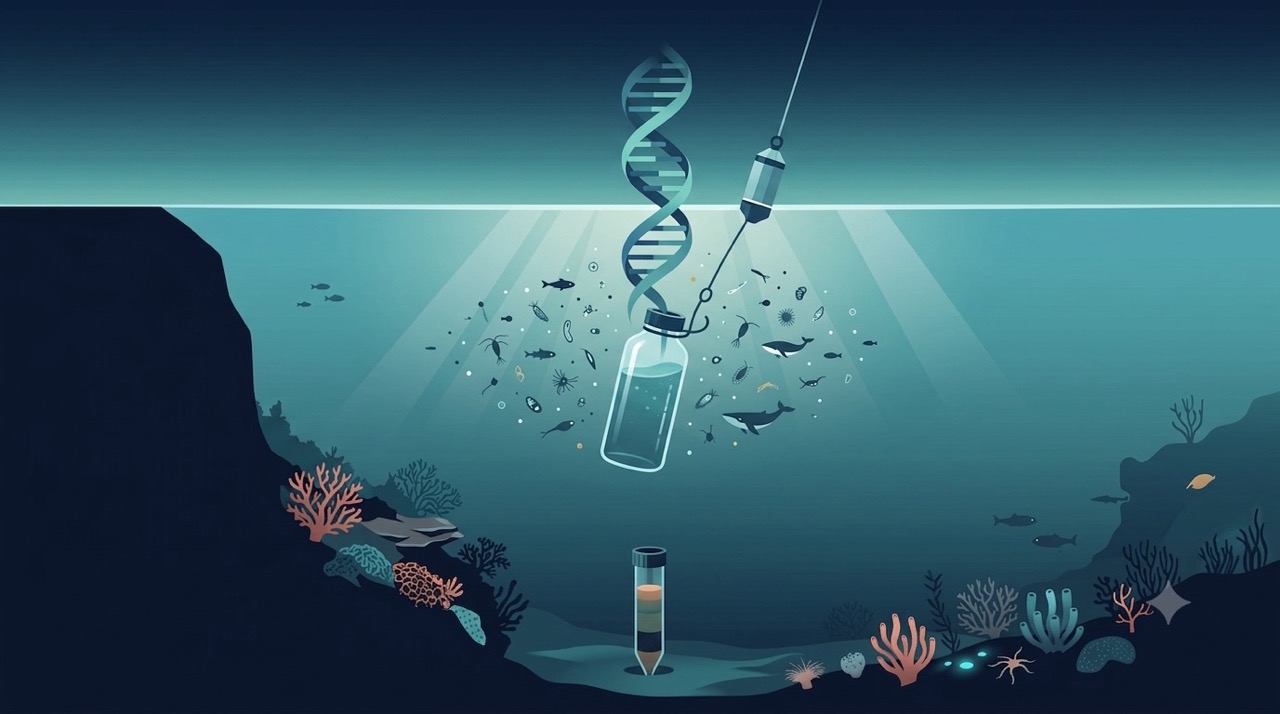
Genomics & eDNA
Environmental DNA extracted from water and sediment samples reveals the full community of organisms present — from bacteria to whales — with a speed and breadth impossible through visual surveys alone.
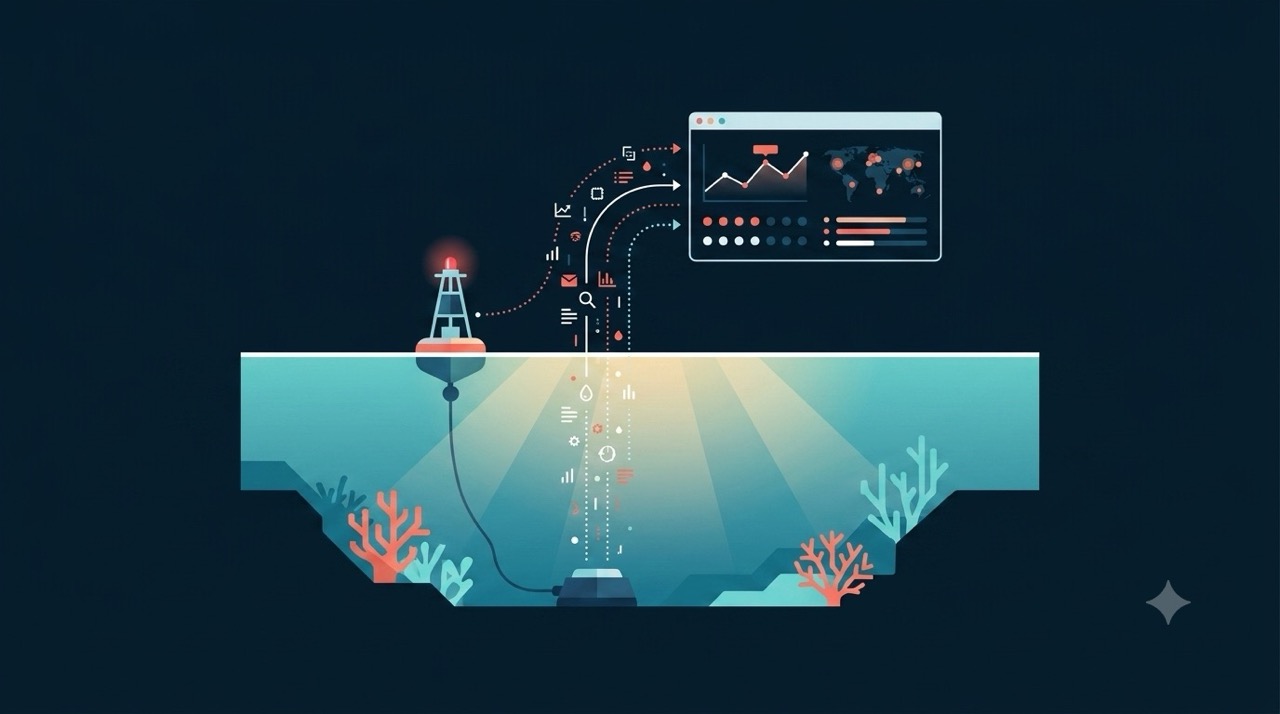
Indicators & Data Management
Raw observations become decision-relevant information through synthesis into Essential Ocean Variables, open data pipelines, and indicators that managers and policymakers can act on.
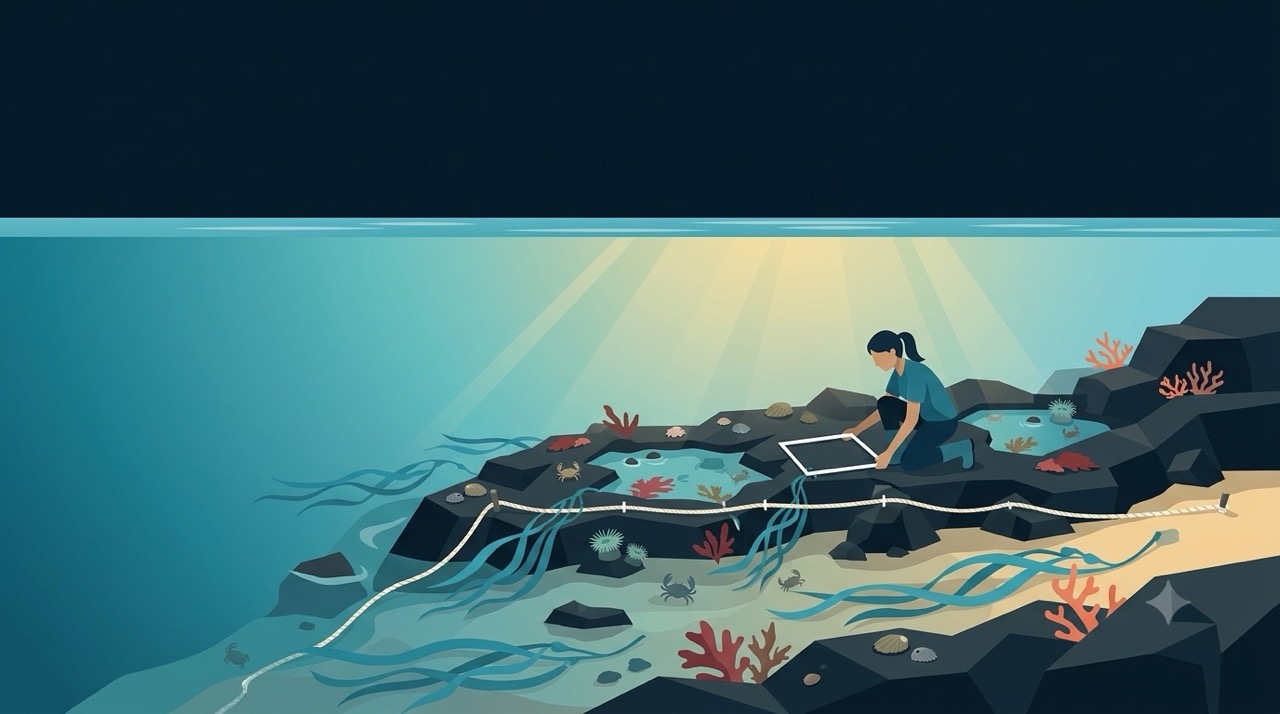
Benthic Surveys
Rocky-shore and sandy-beach transects, photo quadrats, and intertidal surveys record coastal biodiversity — connecting the land-sea interface to the global observation network.
Why multiple methods?
No single method sees the whole ocean. Satellites resolve surface patterns across millions of square kilometers but cannot count individual animals. Trawl surveys identify species precisely but cover only a tiny fraction of the sea at any moment. eDNA reveals who is present but not what they are doing. Acoustic tags reveal movement but not abundance. MBON integrates all of these streams so their strengths compound and their blind spots shrink.
About MBON